Song Meaning
The lyrics paint a picture of someone grappling with a sense of impending doom, a feeling that destiny is actively closing in. There's a profound stillness, a "time alone," that forces introspection, leading to a poignant acknowledgment of past kindness received. This quiet contemplation is juxtaposed with a desperate hope for a future that seems increasingly out of reach, a future where "we slowly fade away."
The central tension arises from the narrator's perceived inability to escape a negative trajectory, despite recognizing the toll it's taking on a loved one. The phrase "I see it brings you down" reveals a deep awareness of their impact, yet the admission "I feel I've come too late" suggests a resignation to this destructive path. This creates a heartbreaking conflict between the desire to help and the overwhelming sense of being trapped.
The repeated refrain, "Waiting for the days to come / We slowly fade away," acts as a powerful, almost hypnotic, expression of this resignation. It's not an active waiting for something good, but a passive surrender to decline. The subsequent line, "Hoping for another chance / A time to rise again," introduces a flicker of defiance, a desperate plea against the encroaching darkness, highlighting the fragile hope that coexists with the pervasive sense of loss.
Ultimately, the effectiveness of these lyrics lies in their raw portrayal of helplessness and the quiet despair of watching a shared future dissolve. The simple, direct language and the recurring imagery of fading and sinking create an atmosphere of inescapable melancholy, resonating with the universal fear of being unable to alter a downward spiral, even when it affects those we care about most.
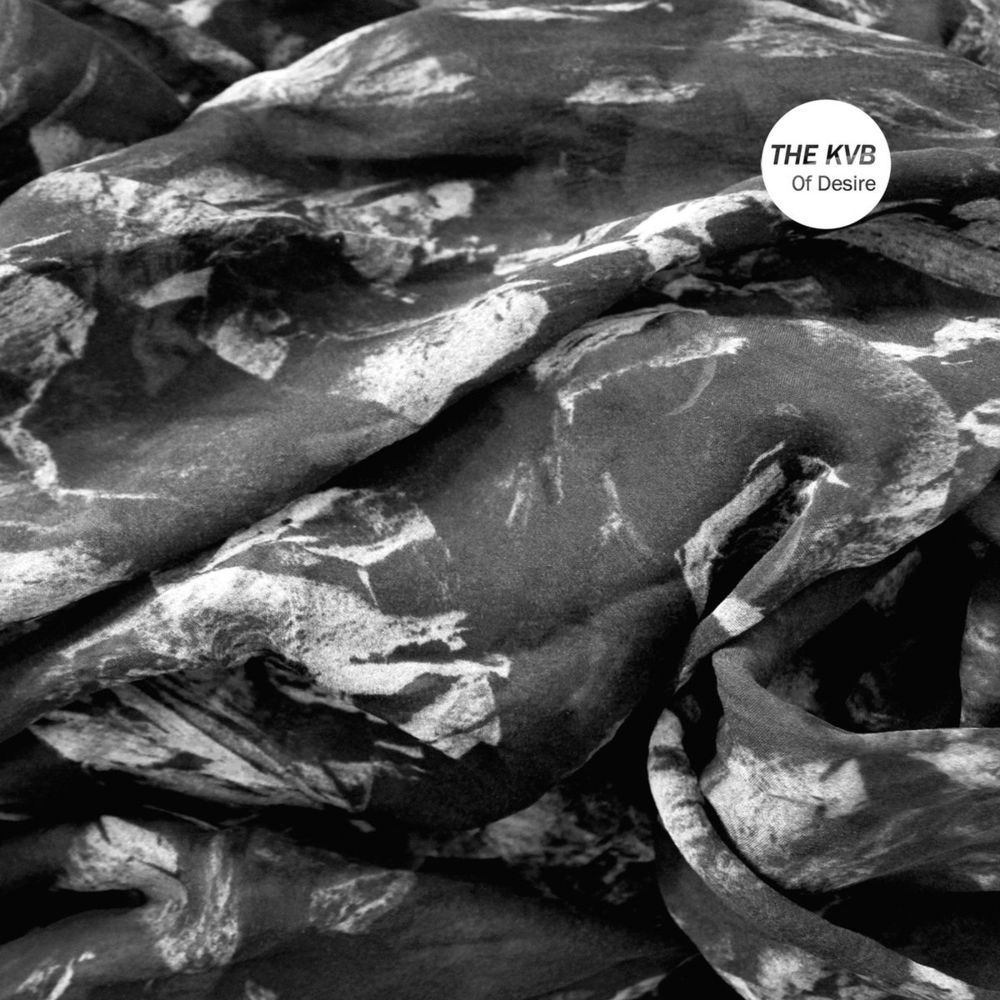
 View Artist