Song Meaning
The lyrics paint a vivid picture of dawn breaking, personifying the sun as a powerful victor over the retreating moon. This celestial battle sets a tone of renewal, with the air smelling of fresh bread and the town stirring awake. The imagery of light conquering darkness and the promise of a new day, or "nuevo día," is established early on. The repeated phrase "Al amanecer" anchors this transition, suggesting a fresh start and an awakening.
The song then introduces a stark contrast with the arrival of night, described as the mountain "swallowing the sun." This shift brings a darker, more somber mood, with echoes of "groans" and the wind breaking what was already in bloom. This section introduces a sense of unease or sorrow that seems to follow the light, hinting at underlying emotional complexities beneath the surface of the new day.
A particularly striking element is the juxtaposition of natural imagery with direct, almost conversational declarations of unrequited love. The line "Que tú a mí no me quiere' como te quiero yo" (That you don't love me like I love you) appears repeatedly, creating a powerful tension. This personal plea is set against the grand, cyclical drama of day and night, suggesting that even amidst cosmic shifts and the promise of a "nuevo día," personal heartbreak and longing persist.
This lyrical craft is effective because it grounds abstract concepts like renewal and despair in concrete, sensory details and relatable human emotion. The dramatic personification of the sun and moon creates a grand stage, but it's the intimate, aching refrain about love that truly resonates. The lyrics suggest that the cycle of day and night, of light and dark, mirrors the ebb and flow of personal emotional experience, making the "nuevo día" a complex mix of hope and lingering pain.
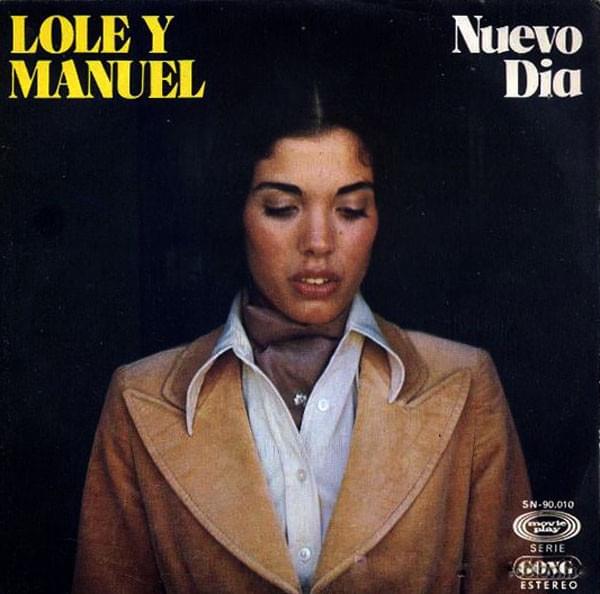
 View Artist