Song Meaning
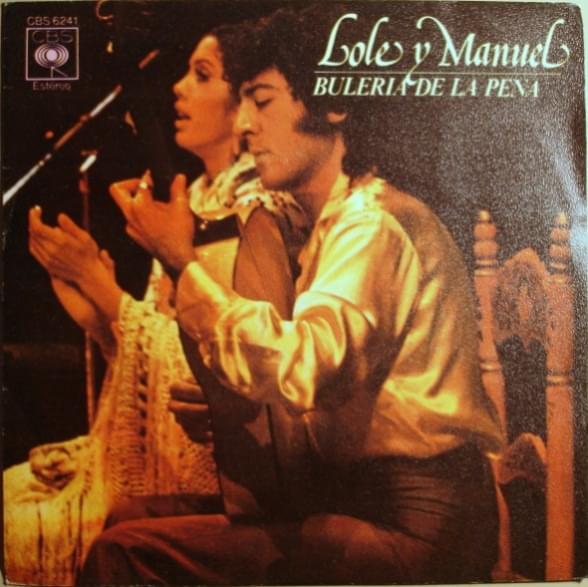
This track opens with a raw, almost paradoxical lament: the narrator feels a profound sadness, 'qué pena más grande, amor,' precisely because the memory of their love doesn't bring pain. It’s a sorrow rooted in the absence of the very suffering that might validate the depth of the loss. The lyrics immediately establish a yearning for a binding connection, a wish for 'cadenas' that would tie the lovers together, highlighting the current state of freedom as a source of anguish rather than relief. The repetition of 'qué pena' acts like a mournful refrain, underscoring a pervasive sense of regret and missed opportunity.
The central tension revolves around a love that feels both intensely present in memory and irrevocably lost. The narrator mourns the absence of shared dreams, waking 'sin tu cara' and lamenting a dawn that feels empty without the beloved. This isn't just about a breakup; it's about the phantom limb of a relationship that could have been everything but ultimately amounted to 'nada.' The imagery of being 'amarga y sin sol' after surrendering to the beloved's gaze paints a picture of complete emotional desolation, a stark contrast to the potential warmth that was envisioned.
The craft here is deceptively simple, relying heavily on the insistent, almost hypnotic repetition of 'qué pena.' This isn't just a stylistic choice; it mirrors the obsessive nature of the narrator's grief, circling back to the same painful realization again and again. The contrast between 'risa y beso' and the current state of bitterness, or the potential for 'todo lo pudo ser' versus the reality of 'nada,' amplifies the emotional weight. The narrator feels utterly adrift, having given their all ('me entregué a tus espadas') only to find themselves shipwrecked in the 'mar de tu mirá.'
What makes these lyrics hit so hard is their unflinching portrayal of regret as a form of suffering in itself. The narrator doesn't just miss the good times; they mourn the lack of a painful catharsis that would confirm the love's significance. The final lines, 'Qué pena que no fue nada / Y todo lo pudo ser,' encapsulate this tragic irony perfectly, leaving the listener with a profound sense of what might have been, a quiet ache that lingers long after the words fade.
 View Artist