Song Meaning
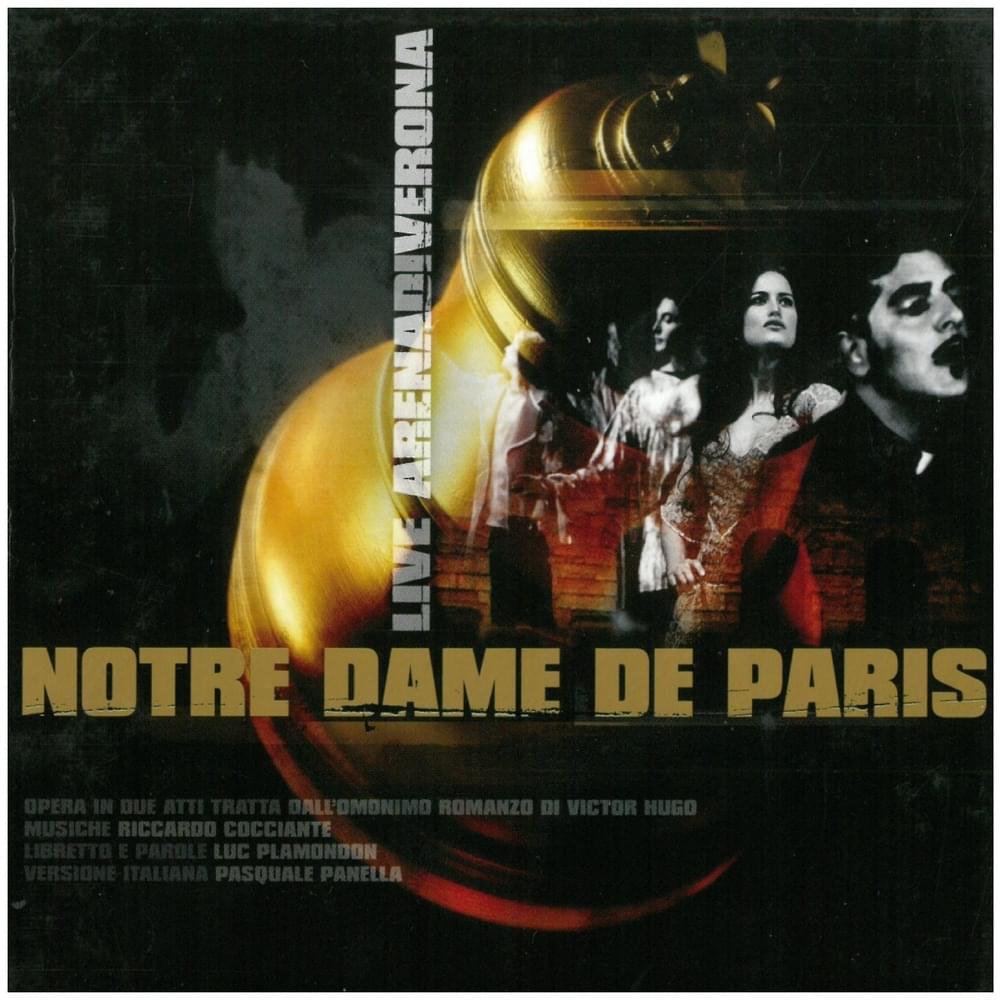
This live rendition of "La Fede Di Diamanti" presents a fervent declaration of love and commitment, framed by a stark contrast between material promises and genuine affection. The initial lines establish a clear division: "La vita che ho davanti è per te" (The life I have ahead is for you) versus "La fede di diamanti è per me" (The diamond ring is for me). This immediately sets up a tension between selfless devotion and the symbolic, perhaps possessive, nature of a commitment. The narrator Fiordaliso asserts that even if promises are broken, temptation won't succeed, highlighting a core of unwavering intent.
The dynamic shifts with Febo's lines, which focus on possession and sensory experience: "Il cuore nel tuo petto è per me" (The heart in your chest is for me) and "La bocca da bambina è per me" (The child's mouth is for me). This perspective seems to reduce the beloved to a collection of desirable attributes. However, Febo then pivots to a more profound connection, suggesting a shared cosmic experience: "Tu sentirai le stelle lassù / Brillare dentro te" (You will feel the stars up there / Shining inside you). This elevates the relationship beyond mere physical or material exchange.
The lyrics build towards an ultimate union, with Fiordaliso declaring, "Io moglie e tu marito per me / Nient'altro al mondo c'è" (I wife and you husband for me / Nothing else in the world exists). This is a powerful statement of exclusivity and finality. Febo responds with a metaphor of hidden value: "Se sottoterra c'è / Un oro che è per te / Te ne rivestirai / Se tu ti spoglierai" (If underground there is / Gold that is for you / You will be clothed in it / If you undress yourself). This suggests that true worth and reward are found in vulnerability and shedding pretense, a stark contrast to the superficial "diamond ring."
The shared chorus solidifies this intense, almost overwhelming, commitment: "E non cercare più / Tu sei qua" (And don't look anymore / You are here). The final lines, "Ci credo come credo che sia / Bellissimo sposare alla mia / La tua felicità" (I believe as I believe it is / Beautiful to marry to my / Your happiness), reveal the ultimate goal: not personal gain or possession, but the absolute merging of one's own joy with the beloved's happiness. The repetitive "A te mi legherà" (To you it will bind me) underscores the inescapable, profound nature of this bond.
 View Artist