Song Meaning
The lyrics paint a stark picture of someone struggling with their integrity, constantly tempted by financial gain and the promises of others. The narrator acknowledges the allure of money, stating, "Azt mondod, kell a pénz" (You say you need the money), but immediately counters it with the core message: "A becsület ennél mégis többet ér!" (Honor is worth more than this!). This sets up a central conflict between material desires and moral standing, suggesting a difficult internal battle.
The verses describe a person living in a state of restless unease, "Álmok közt ébren élsz" (You live awake among dreams), and hesitant to share, "Másoknak adni félsz" (You're afraid to give to others). They are characterized as aimless, "Kóbor vagy, mint a szél" (You wander like the wind), implying a lack of direction or purpose beyond immediate gratification. The repeated assertion that honor surpasses these fleeting pursuits underscores the narrator's conviction, even as the subject seems lost.
The refrain delivers a devastating emotional blow, highlighting the social cost of this compromised path. "Közeledni tiszta szívvel hozzád nem lehet" (It's impossible to approach you with a pure heart) suggests a fundamental disconnect and distrust. The consequence is clear: "Elhagynak a jó barátok / Elkerülnek majd az emberek" (Good friends will leave you / People will avoid you). This isolation is presented not as a possibility, but as an inevitable outcome of abandoning one's principles.
Ultimately, the lyrics serve as a potent warning about the emptiness of a life built on superficial gains. The narrator laments, "Élni így nem lehet / Rossz lesz majd az életed" (You can't live like this / Your life will be bad). The "gyönge cél" (weak goal) of material wealth is contrasted with the enduring value of honor, which the lyrics insist is the only thing that truly matters, despite the immediate loneliness it might bring. The repeated outro of "Elkerülnek majd" (They will avoid you) hammers home the profound isolation that awaits.
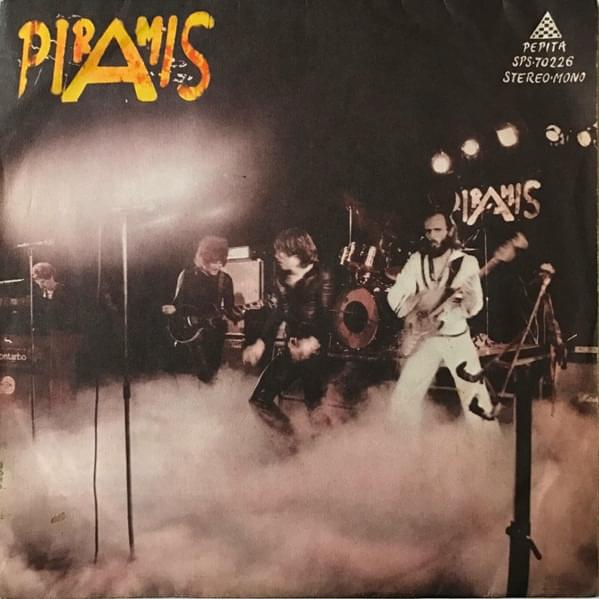
 View Artist