Song Meaning
The lyrics paint a stark picture of isolation and loss. Someone stands alone, waiting where "nothing is" and "no one is." A persistent voice declares, "I speak to you," cutting through the desolation. The emotional texture is one of profound emptiness, tinged with a detached observation.
A core tension emerges between the addressee's escalating abandonment and the speaker's unwavering presence. The addressee faces rejection, as "a mouth now denies" them, and experiences powerlessness, where they "have no word." This relentless erosion of agency and connection is met only by the speaker's repeated, almost ritualistic address.
The repetition of "Hej" at the start of most lines creates a rhythmic, almost hypnotic lament, emphasizing the relentless nature of the addressee's decline. This insistent beat underscores the grim progression from external emptiness to internal decay, as "desire has worn out" and "dream has run out." The stark, simple imagery, like "the mud just sticks to you," powerfully conveys an inescapable, degrading reality.
What makes these lyrics hit hard is their unflinching portrayal of a life stripped bare. The final, brutal line, suggesting that "you'll get used to it" if it hurts, delivers a chilling sense of resigned acceptance. The speaker's consistent "I speak to you" remains the only constant, an ambiguous anchor in a sea of loss, leaving the listener to wonder if it's a lifeline or merely a witness to a slow fade.
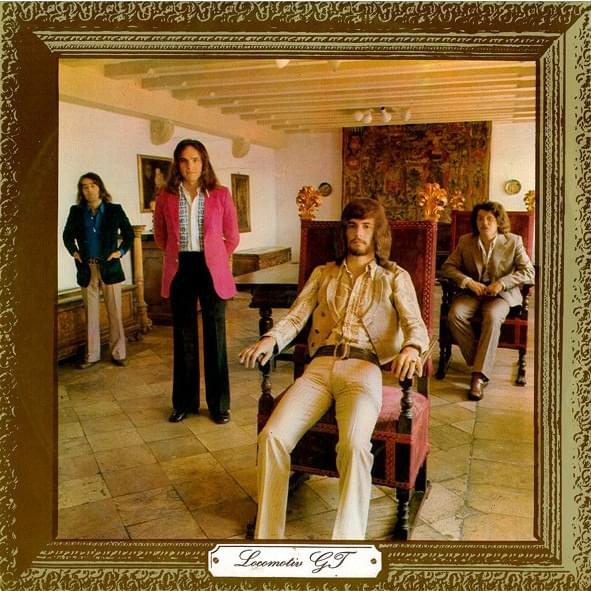
 View Artist