Song Meaning
The narrator pleads for something to change, framing their request with a sense of coldness and exhaustion. "Mikor fázik a szó, a lélek" (When the word, the soul is cold) and "Mikor fáraszt már az élet" (When life is tiring) set a somber mood. This plea is directly tied to a desire for emotional thawing, as indicated by "Mikor olvad meg a szíved?" (When will your heart melt?). The recurring question, "Hol van már az ezüst nyár?" (Where is the silver summer already?), introduces a central, elusive ideal.
The lyrics contrast the current state of emotional chill with a yearning for a vibrant, perhaps idealized past or future. The "ezüst nyár" (silver summer) seems to represent a time of warmth, joy, and emotional openness, a stark counterpoint to the "fázik a szó, a lélek" (cold word, soul). The imagery of melting snow and icebergs further emphasizes this desire for a transition from frozen stasis to fluidity and life.
The writing uses nature imagery to mirror internal states. The "kék az árnyék" (blue the shadow) when the valley is green suggests a subtle melancholy even amidst potential beauty. The desire to simply "járnék" (walk), "szállnék" (fly), "megállnék" (stop), and "csak állnék" (just stand) in a place where "boldog a föld" (the earth is happy) reveals a deep longing for peace and belonging, a place where one can "vigyáznék" (watch over) dreams and simply "élek" (live).
This song resonates because it captures a universal feeling of searching for a lost warmth or a future ideal. The simple, repetitive structure of the pleas and the question about the "silver summer" create a hypnotic effect, drawing the listener into the narrator's wistful contemplation. The contrast between the present cold and the desired warmth, expressed through evocative natural imagery, makes the longing palpable and deeply human.
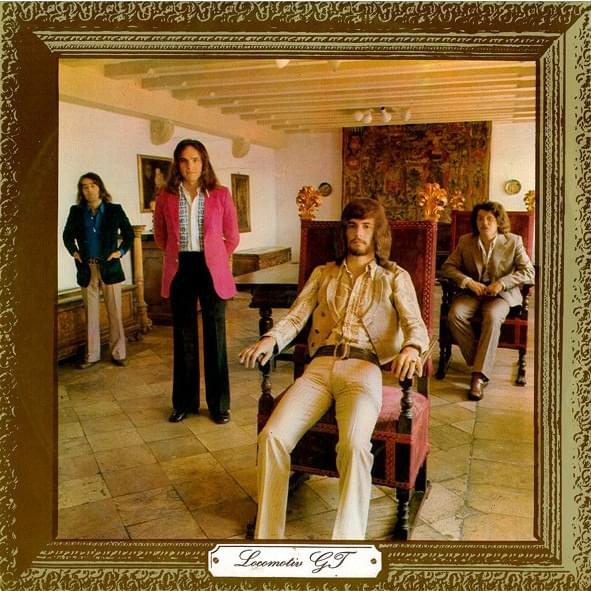
 View Artist