Song Meaning
The lyrics paint a picture of someone who finds their purpose and validation solely through the presence of another person. The narrator states, "Néha már tudod, mi kell" (Sometimes you already know what you need) and "Néha már unod, igen" (Sometimes you're already bored, yes), suggesting a weariness with the complexities of life or perhaps a relationship that has become predictable. The core sentiment crystallizes in the repeated refrain: "Csak akkor jó, ha itt vagyok veled" (It's only good when I'm with you).
This creates a central tension: the narrator's sense of well-being is entirely contingent on being with this specific person. There's a hint of desperation or dependency as they wait for "könnyeket és az ígéretet" (tears and the promise), implying a need for emotional reciprocation or a future that only this connection can provide. The bridge, "Ó, ha értenéd, csak egyszer értenéd / Én ezt jól tudom, és így ahogy vagy, hozzám tartozol" (Oh, if you understood, if you just understood once / I know this well, and as you are, you belong to me), reveals a deep-seated belief in their belonging, yet a frustration that this understanding isn't mutual.
The most striking aspect of the craft is the relentless repetition of the titular phrase. This isn't just emphasis; it becomes an incantation, a mantra that defines the narrator's entire existence. The simplicity of the language, particularly in the verses, contrasts with the profound emotional weight placed on the simple condition of presence. The structure reinforces this, with the verses building towards the inescapable conclusion of the refrain, leaving no room for alternative states of being.
Ultimately, these lyrics resonate because they capture a raw, almost primal need for connection. The effectiveness lies in the unvarnished declaration of dependence. It’s not about grand gestures or complex emotions, but about the fundamental human desire to feel that one's existence is meaningful, and that meaning is found only in the presence of another. The unwavering repetition leaves the listener with the stark realization of a self defined entirely by another's proximity.
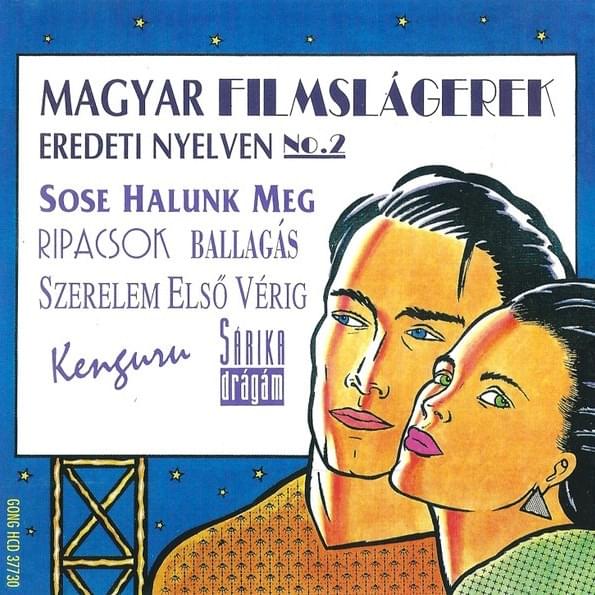
 View Artist