Song Meaning
The lyrics paint a picture of someone demanding absolute devotion and validation from a lover. The opening lines, "Sedúceme sin piedad / Quebranta ley, fuerte," set a tone of intense, almost aggressive desire for control and surrender. The narrator insists on a love that defies norms and permanence, stating, "Siempre dije que nada es eterno / Nunca podrás decir jamás." This suggests a complex emotional landscape where the narrator fears abandonment but also pushes for an all-consuming, undeniable connection.
The core tension lies in the repeated pleas for reassurance: "Que sin mí, llora la noche a tu lado / Jura ante mí, dime que nadie es más que yo." This refrain reveals a deep-seated insecurity, a need for the other person to publicly and unequivocally declare the narrator's unparalleled importance. The repetition amplifies this desperate craving, turning the song into an almost ritualistic demand for proof of love.
The shift to English in the refrain, "I like the sky into my mind / I want to be your bird next to the sun," introduces a contrasting imagery of freedom and aspiration. It seems to offer a glimpse of the narrator's own desires or perhaps a more idealized vision of the relationship they crave. However, this hopeful imagery is immediately undercut by the Spanish verses, which pull back into the realm of possessiveness and emotional demand, highlighting the conflict between wanting to soar and needing to be anchored by another's unwavering gaze.
Ultimately, the effectiveness of these lyrics stems from their raw emotional honesty and the stark contrast between the desire for absolute possession and the yearning for an idealized, almost spiritual connection. The insistent repetition of the chorus, coupled with the vulnerability of the demands, creates a powerful portrait of someone grappling with profound insecurity, seeking to solidify their place in another's heart through forceful declarations and an almost desperate plea for exclusivity.
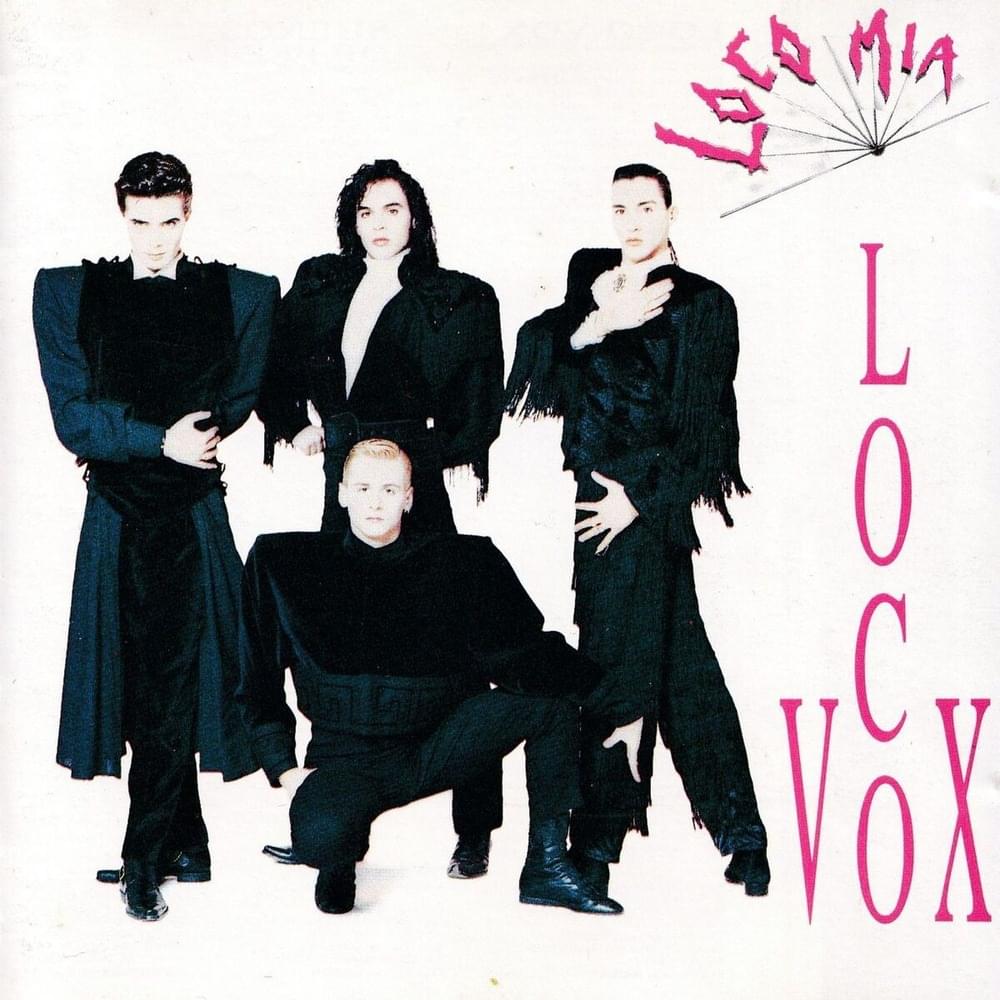
 View Artist