Song Meaning
The lyrics paint a picture of a moment suspended in time, a hazy recollection of past freedom and uncertainty. The narrator reflects on a period that felt boundless, comparing their state to "fallen leaves in the night" and "free as the wind." There's a sense of youthful abandon, a feeling of "no care in the world," yet also an underlying current of not knowing where life is headed, a question posed as "Who can say where they're blowing?" This ambiguity is mirrored in the natural imagery, like the sea's tide, which seems to follow an unalterable, inevitable path.
The central tension arises from the contrast between this feeling of limitless possibility and the dawning realization that perhaps this present moment, however uncertain, is all there is. The repeated phrase "More than this" functions as a desperate plea or a rhetorical question, seeking something beyond the current experience. The narrator seems to be grappling with the idea that the perceived freedom might be an illusion, and that the path forward, like the tide, is predetermined and inescapable.
The most striking craft element is the persistent, almost hypnotic repetition of "More than this" in the chorus and outro. This refrain hammers home the narrator's yearning and confusion. The juxtaposition of this searching phrase with the stark declaration "You know there's nothing" creates a powerful sense of existential doubt. The lyrics suggest a struggle to find meaning or a grander purpose when faced with the simple, unyielding reality of the present.
Ultimately, the effectiveness of these lyrics lies in their evocation of a universal feeling of searching for something more, even when the evidence points to the contrary. The simple, direct language and the cyclical nature of the imagery create a mood of wistful contemplation. It’s this blend of innocent wonder and quiet resignation, captured in the recurring question of what lies beyond the immediate, that resonates so deeply.
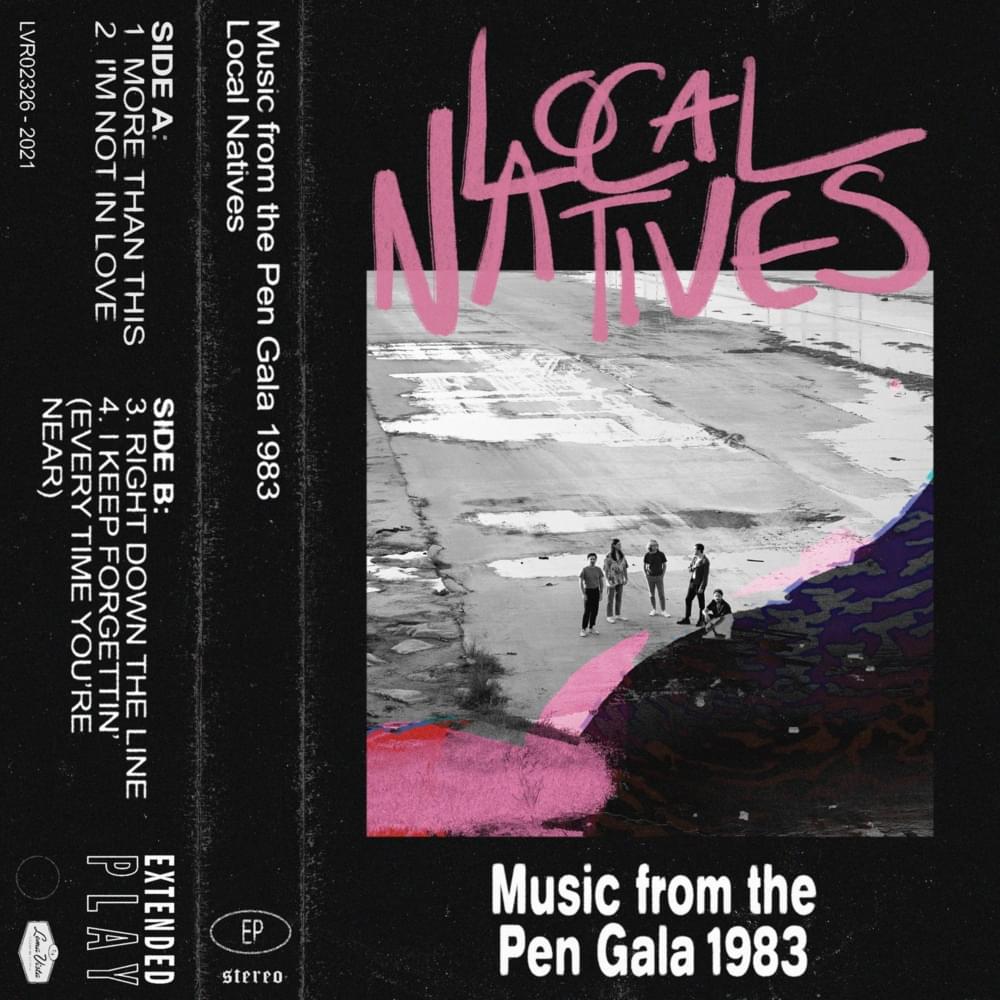
 View Artist