Song Meaning
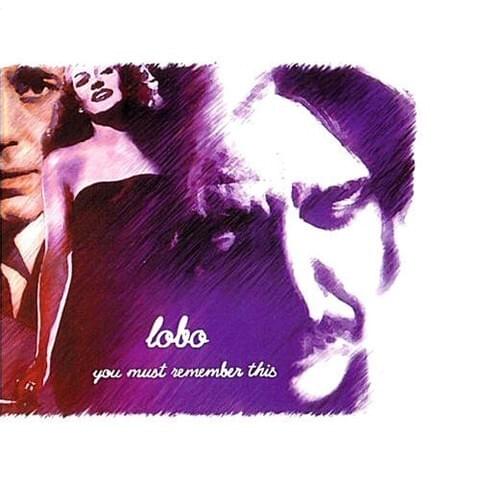
Lobo's "Moonglow" isn't just a romantic ballad; it's a study in how external phenomena imprint themselves on our internal emotional landscapes. The song hinges on the symbolic power of the moon, not merely as a backdrop, but as an active agent in the unfolding of love. "It must have been moonglow / That led me straight to you," Lobo croons, suggesting a force beyond conscious will, a celestial alignment that orchestrated the meeting of souls. The moonglow, then, isn't just light; it's fate, destiny shimmering in the night sky. It’s a classic, almost primal invocation of nature's influence on human connection.
Delving deeper into the lyrics analysis, the song's emotional core resides in the plea, "Oh Lord, please let this last." This isn't just a simple expression of affection; it's a recognition of the precariousness of happiness. The speaker acknowledges that the moonglow, the catalyst for this love, is ephemeral. The fear of losing this divinely-guided connection permeates the verse, transforming the love song into something more profound: a prayer for permanence in a transient world. The yearning for lasting love is universal, and Lobo taps into this deep-seated desire with a vulnerability that resonates.
Ultimately, “Moonglow” uses the image of moonlight as a mnemonic trigger. "And now when there's moonglow / Way up in the blue / I always remember / That moonglow gave me you." The moon becomes a permanent reminder of the initial spark, a celestial timestamp etched into memory. The song suggests that even if the relationship were to end (though the singer clearly hopes it won't), the memory of that fateful, moonlit encounter will forever hold a special, almost sacred place. "Moonglow" is a testament to the power of moments, and the way external experiences can forever shape our internal emotional lives, turning ordinary nights into extraordinary memories.
 View Artist