Song Meaning
Lobo's "Vrais Salauds" (translation: "True Bastards") isn't an apology; it's a defiant anthem for a life lived outside societal norms. The song casts a sidelong glance at the conventional world, the one where roots run deep and futures are planned with meticulous care. But instead of yearning, there's a clear rejection of that pre-packaged existence. The lyrics paint a picture of wanderers, finding solace not in stability but in the constant motion of "travellin around instead / Of settling down." It's a deliberate choice, a prioritization of "peace on mind" found in the "highway sound" over the perceived burdens of a fixed address. The psychology at play here is a fascinating study in counter-conformity.
What the conventional world sees as recklessness, the song reframes as freedom. The lyrics address the listener directly, acknowledging their concerns ("You say we don't care / What lies up ahead"), but quickly dismissing them. There's a subtle accusation embedded in the lines – a suggestion that the listener's "hang ups" are their own problem, a projection of their anxieties onto a lifestyle they don't understand. The idea of saving money and feeding mouths, while generally considered responsible, is contrasted with the immediate gratification of freedom and the acceptance of risk.
The invitation in the final verse ("Why not leave it all / And join us on the road") isn't just a suggestion; it's a challenge. It's a dare to question the listener's own life choices, to consider whether the security they've built is worth the price of the experiences they're missing. "Vrais Salauds" becomes a subversive commentary on the trade-offs we make, a reminder that the path less traveled often comes with its own unique rewards. The song's meaning ultimately resides in its celebration of a life unbound by expectations, a life where the only true obligation is to oneself and the open road.
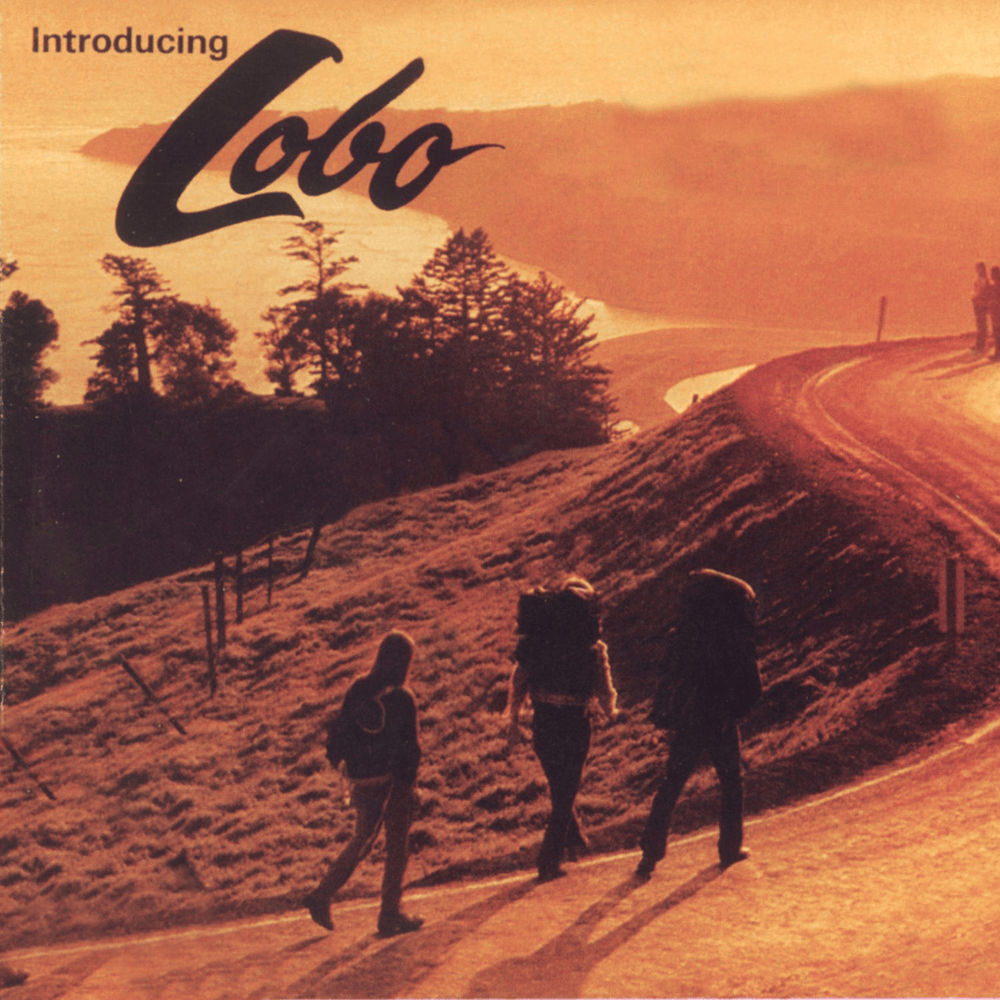
 View Artist