Song Meaning
A single, poorly told story shatters a relationship in an instant. The narrator recounts the immediate aftermath: she leaves in the car, driving into the rain, falling onto the street. Meanwhile, he retreats to watch a movie, a passive response to the unfolding drama. This stark contrast between her chaotic exit and his detached escapism immediately establishes the emotional chasm.
The core tension lies in the abrupt destruction of love and the differing reactions to the crisis. The phrase "Tirei o time" suggests the narrator opted out, trying to avoid the conflict, but the situation escalated anyway. The "coisa ficou ruça" (things got rough) and "scaramuça" (skirmish) in "Alto Leblon" paint a picture of a heated argument, fueled by a "estória" involving lipstick-stained evidence. This suggests a betrayal or misunderstanding that spirals out of control.
The lyrics masterfully use repetition to underscore the cyclical nature of the breakdown and the narrator's detachment. The repeated sequence of her leaving – "Saiu de carro / Saiu na chuva / Caiu na rua" – emphasizes the dramatic, almost theatrical, nature of her departure. His parallel action, "E eu fui ver um filme / Parampampam / Tirei o time," highlights his attempt to disengage. The final exchange, "Ela: Nada acaba assim / Ele: Acaba assim," crystallizes their opposing views on the relationship's end, revealing a fundamental incompatibility.
This writing is effective because it grounds a dramatic breakup in specific, almost mundane details that feel intensely real. The juxtaposition of her visceral reaction and his passive avoidance creates a palpable sense of disconnect. The narrator's attempt to "Tirei o time" and the subsequent escalation into a "scaramuça" show how attempts to avoid conflict can sometimes fuel it, leaving the listener with a potent image of love's fragility and the different ways people cope with its collapse.
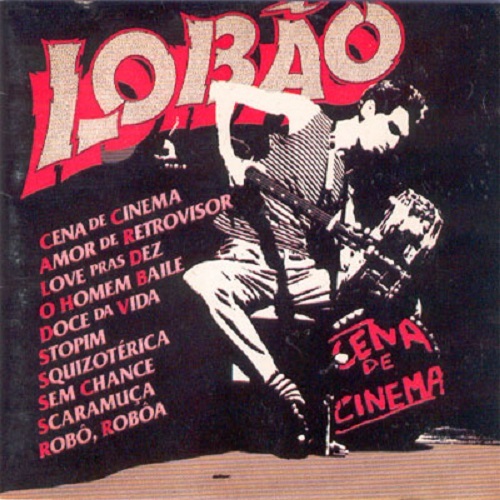
 View Artist