Song Meaning
The lyrics confront a perceived judgment against Rock and Roll, framing it as having "erred" or gone astray. The narrator, however, feels caught in a state of "innocence" and questions what to do with their "holy intelligence," suggesting a disconnect between external criticism and their personal experience. This creates an immediate tension: is the narrator defending Rock, or acknowledging its flaws while feeling personally wronged by the condemnation?
The central conflict arises from the repeated assertion that "Rock errou" (Rock erred), juxtaposed with the narrator's own perceived innocence and intelligence. The lyrics imply a societal or critical voice that has deemed Rock imperfect, leading to a feeling of being judged or misunderstood. The narrator grapples with this verdict, asking if their own intelligence is a "sin" and if they should "erase" the past, highlighting a struggle between loyalty to the genre and the weight of its alleged mistakes.
A striking element is the contrast between the abstract condemnation of Rock and the concrete, albeit vague, social commentary that follows. Phrases like "country well searched" and "a new return to the past" hint at a restrictive or regressive social climate. The mention of "madness loose" and "in a collar" points to hypocrisy, suggesting that those in power or positions of respectability are the ones truly acting out of line, while Rock is singled out for its perceived transgressions.
Ultimately, the effectiveness of these lyrics lies in their blend of personal defensiveness and broader social critique. The narrator’s questioning – "What to do with my holy intelligence?" – resonates with anyone who has felt unfairly judged or misunderstood. The repetition of "errou" hammers home the central accusation, while the subsequent verses subtly shift the focus, implying that the real "errors" might lie elsewhere, making the listener reconsider who or what is truly at fault.
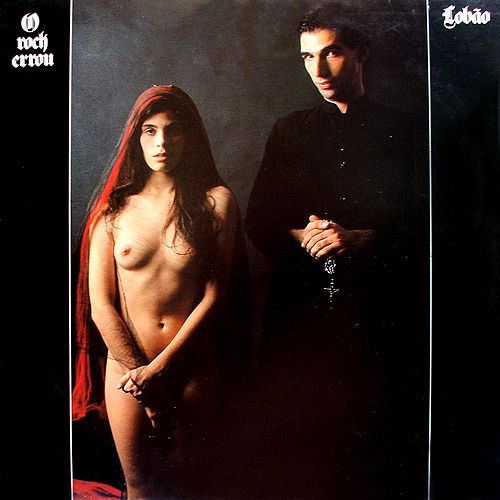
 View Artist