Song Meaning
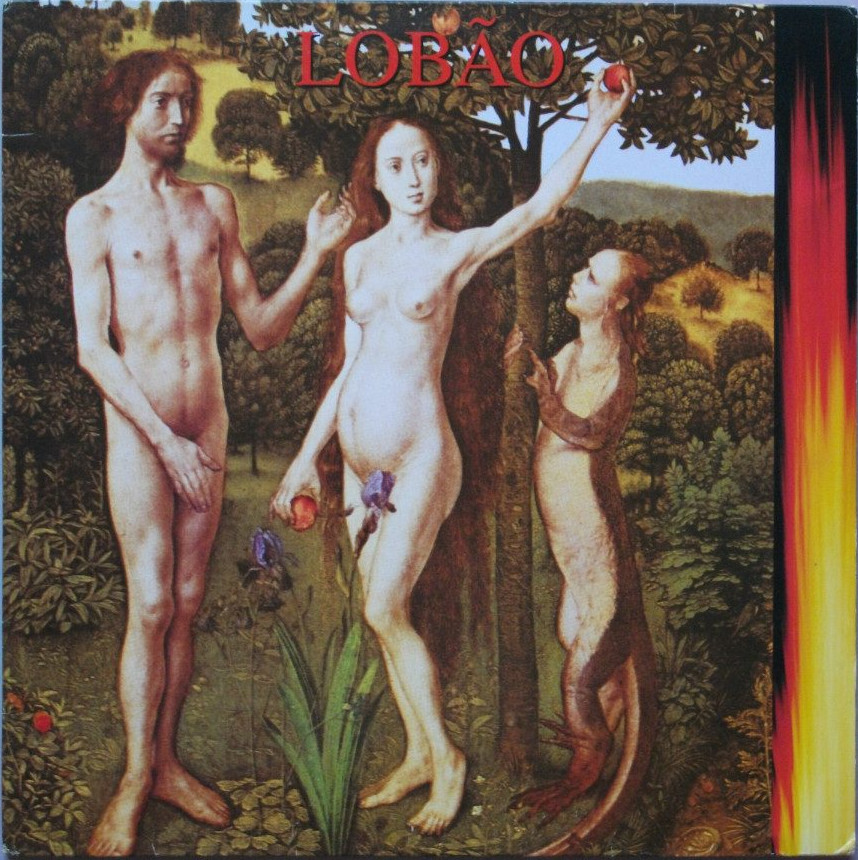
This track flips the script on hell, arguing it's not a place dictated by Satan or fear. The lyrics dismiss common notions: no devil, no tourists, no sinners, and certainly no escape like Alcatraz. It’s a radical redefinition, stripping away the supernatural puppetry to focus on a more elemental, inescapable state. The repeated, almost primal cry, "O inferno é fogo!" grounds the entire concept in a raw, destructive force.
The central tension arises from this negation of traditional hell. It's not a demonic fantasy, a new war, or a religious lie. Instead, the lyrics suggest hell is an internal, self-contained phenomenon, separate from any external divine or infernal authority. The idea that "o impossível é como a fuga em Alcatraz" highlights the absolute lack of hope or exit, even while denying the typical figures of damnation.
The most striking aspect is the paradoxical assertion that "O inferno não existe / Para quem não é de lá." This suggests hell isn't a universal destination but a specific condition, a state of being that only applies to those already within its confines. The imagery of "tudo que entra não sai" and "o fogo nunca apaga / E sempre há o que queimar" paints a picture of eternal, self-consuming torment, driven by an internal, unending process rather than external punishment.
Ultimately, the lyrics resonate because they dismantle comforting myths and confront a more unsettling idea: hell as a self-inflicted, inescapable reality. By removing the devil and religious dogma, the song forces a contemplation of internal torment and the absolute finality of certain states of being. The stark, elemental imagery of fire, combined with the logical paradox, creates a powerful and disquieting effect.
 View Artist