Song Meaning
The lyrics paint a picture of a future self reflecting on a past present, marked by a profound sense of isolation. The opening "Aurora..." feels like a distant call, immediately contrasted by the stark declaration, "Ninguém mais chora por mim" (No one cries for me anymore). This sets a tone of loneliness that the narrator acknowledges will only be overcome in the future, "Mas chorar por mim é coisa do futuro" (But crying for me is a thing of the future). The imagery of dew falling and remembering a past premonition grounds this reflection in a specific, almost melancholic moment of foresight.
The central tension arises from the contrast between a silenced present and a remembered, vibrant past. The narrator's "tamborim silenciou" (tamborim fell silent) signifies a loss of rhythm or joy, leading to a "lágrima triste se petrificou" (sad tear petrified) within someone who has never cried. This paradox of a petrified tear within a stoic chest highlights a deep, unexpressed sorrow. The repetition of this line emphasizes the enduring, frozen nature of this sadness, a state of being that has seemingly always been.
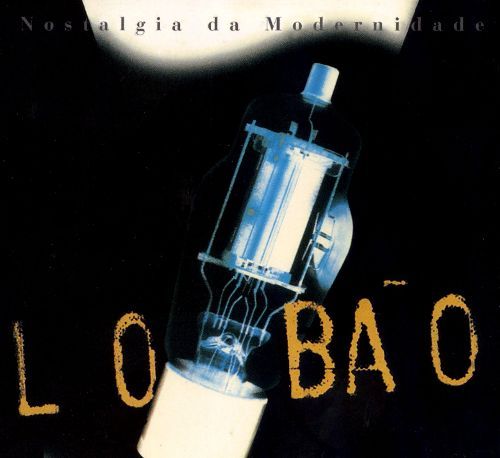
The most striking element is the concept of "Nostalgia da modernidade" (Nostalgia for modernity). This phrase itself is a fascinating oxymoron, suggesting a longing for a past that is inherently tied to the very progress that has led to the present isolation. The narrative suggests that while the specific plot or story has passed, the spirit of samba, representing freedom and continuity, has not been silenced. This implies an enduring hope or resilience that transcends personal sorrow and the passage of time, culminating in the hopeful, yet still distant, "Aurora..." of freedom.
 View Artist