Song Meaning
These lyrics plunge the listener into a disorienting night of internal struggle. The speaker grapples with a heart that is both beating and "parando, mordendo" (stopping, biting). It's a raw, visceral portrait of a mind unraveling under the moonlight.
The central tension here is a profound loss of mental control, underscored by the repeated, desperate cry, "Meu Deus, onde vai o meu pensamento." This isn't just a question; it's a plea, suggesting the speaker's thoughts are running wild, beyond their grasp. This internal chaos is mirrored by the body itself, described as "fechado, destrincando" (closed off, breaking apart), a powerful contradiction that conveys immense psychological pressure.
One of the most striking craft elements is the stark imagery of "Brilha sozinha a gilete no espelho." This single line, sharp and unsettling, suggests a dangerous internal landscape, where disturbing thoughts are amplified and isolated. The speaker also confesses to confusing "liberdade e desejo," revealing a deeper psychological entanglement where even positive concepts become muddled, contributing to their overwhelming sense of being lost.
Ultimately, these lyrics hit hard because they articulate a deep, existential confusion. The speaker admits, "não sei mais o que fazer" and, more profoundly, "não sei nem o que ser." This isn't just about a bad night; it's about a fundamental questioning of self and purpose, all under the inescapable gaze of the "Moonlight Paranoia" that becomes a haunting, repetitive mantra, trapping the listener in the speaker's spiraling thoughts.
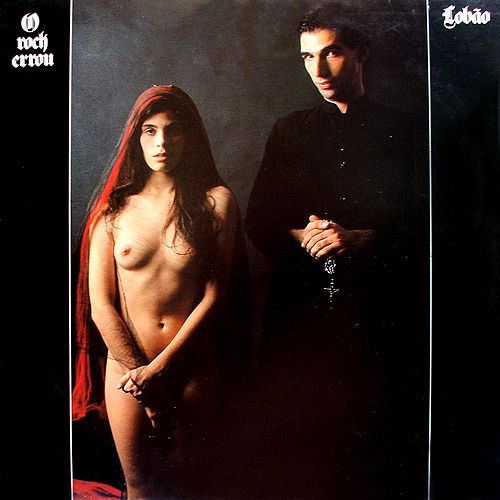
 View Artist