Song Meaning
The lyrics paint a picture of a playful, almost whimsical courtship, centered on the act of looking and being looked at. The narrator's eyes "perambulam" – wander – over their beloved's face, a gentle, lingering gaze that feels like a "doce brincadeira" (sweet game). This isn't a rushed affair; it's a drawn-out, delightful exploration of attraction, where the simple act of observing becomes the primary mode of interaction and affection.
The core tension lies in this sustained, almost obsessive observation and the joy it brings. The narrator finds immense pleasure ("curto muito") in this back-and-forth gaze, which happens "De dia, de noite" (day, night) and even in dreams. This constant, pervasive focus on the other person suggests a deep infatuation, where the world outside this shared visual space seems to fade away, replaced by the sweet intensity of their playful game.
The most striking aspect is the repetition of "brincadeira" (game) and the adjective "doce" (sweet), emphasizing the lighthearted yet deeply felt nature of their connection. The lyrics highlight specific, intimate details like "Seu brinco, sua boca" (your earring, your mouth) and the slow, deliberate act of lifting "Seu cabelo" (your hair). These small gestures, framed within the larger context of a "sweet game," elevate everyday moments into something profoundly cherished, culminating in the declaration "Doce da vida" (sweetness of life).
This lyrical approach is effective because it grounds grand feelings in simple, observable actions. The pleasure isn't abstract; it's found in the shared glances, the small touches, and the constant presence of the other person in the narrator's mind. The "sweet game" becomes a metaphor for a relationship that is both deeply felt and joyfully uncomplicated, making the experience of love feel immediate and accessible.
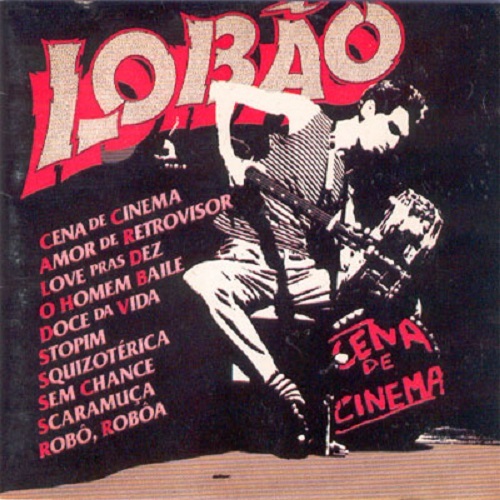
 View Artist