Song Meaning
The lyrics paint a picture of a weary, almost desperate plea for connection, framed by mundane anxieties and a cynical view of life's offerings. The opening lines, "Torna da me, posso cambiare" ("Come back to me, I can change"), spoken by a "commerciante cinese" ("Chinese merchant") to a suspicious customer, immediately establish a transactional, perhaps insincere, attempt at reconciliation. This is juxtaposed with the "noia di un fedele" ("boredom of a faithful one") who can't stay without their object of devotion, highlighting a pervasive sense of dependency and emptiness.
The core tension seems to stem from an external force dictating circumstances, rather than individual agency. The narrator observes, "È il vento che fa danzare per aria stracci di giornale" ("It's the wind that makes newspaper scraps dance in the air"), suggesting that chaos and disposability are the norm, and personal efforts are mere flotsam. The line "Ti donerei il mio cuore / Ma non si butta mai via niente del maiale" ("I would give you my heart / But you never throw away anything of the pig") is a striking, visceral metaphor. It implies that even the most intimate offering is viewed through a lens of utility and wastefulness, reducing sentiment to something to be preserved out of pragmatism, not love.
The chorus offers a darkly humorous take on survival and aspiration. The narrator acknowledges that "meno male che c'è la salute" ("thank goodness for health"), suggesting it's the only valuable thing left, and if it weren't there, one would have to invent it. The fleeting image of seeing someone "da struccata appena sveglia" ("without makeup, just woken up") hints at a raw, unvarnished reality, perhaps the only authentic moment in a life of pretense. The desire for a "vacanza senza mai lavorare" ("vacation without ever working") is a fantasy of escape from the drudgery of "code su raccordi stradali, riunioni aziendali" ("traffic jams on ring roads, company meetings"), culminating in a defiant "fanculo / A cui non andare" ("fuck it / To which one doesn't go").
This lyrical landscape is effective because it grounds profound emotional states in gritty, relatable details. The contrast between grand desires (a heart, a vacation) and base realities (a pig's parts, traffic jams) creates a potent sense of disillusionment. The narrator's voice feels both resigned and defiantly sarcastic, finding dark humor in the absurdity of existence and the compromises required to simply get by.
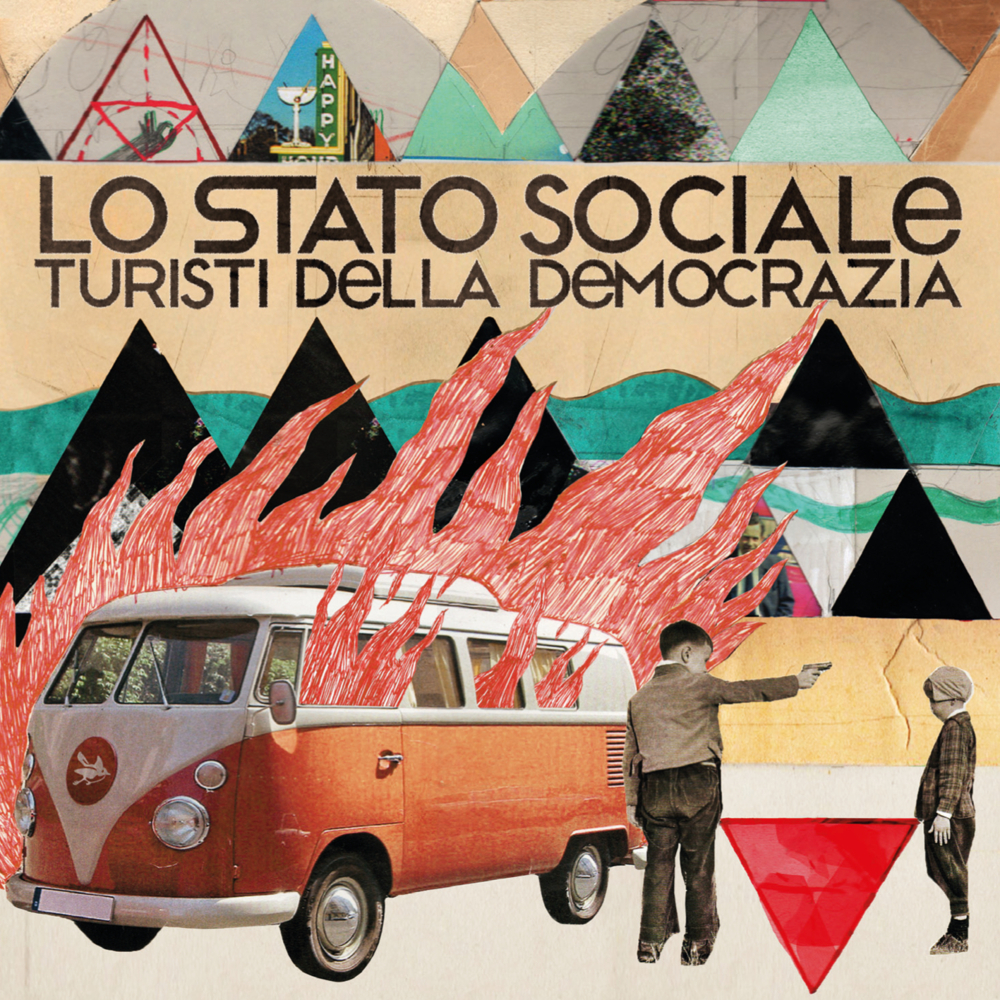
 View Artist