Song Meaning
The lyrics paint a picture of an unextinguishable, inherent life force, something primal and deeply ingrained. It's not a fleeting candle flame easily snuffed out, nor something that disperses like the wind. Instead, this vitality is presented as something prepared from the very beginning, present in the "ventre de toda mulher" and written, almost like an immutable law, on the "parede das celas" and "praças de qualquer país." This suggests a universal, almost predestined quality to this life force, transcending individual circumstances or locations.
The central tension arises from the contrast between this enduring life and the forces that attempt to suppress or extinguish it. The "passageira chama fogo da vida" (passing flame of life) is met with "a vontade livre tudo intimida" (free will intimidates everything), implying that even the most potent life force can be challenged by sheer determination or perhaps by external pressures. Yet, the lyrics counter this by listing images of natural resilience and freedom: a bird flying, a spider's wedding, the swaying sugarcane, the "alimento vento" (wind as sustenance), and "fruto dos mares" (fruit of the seas). These elements, alongside the powerful declaration of "Rebelião," underscore the persistent, untamable nature of this life.
The most striking aspect of the craft is the recurring motif of innate preparation and inherent existence. The phrase "Já estava bem preparado no ventre de toda mulher" is repeated, emphasizing that this life force isn't learned or acquired but is a fundamental part of being. This is further reinforced by the "milagre da tempestade" (miracle of the storm) and the "veneno da rua" (poison of the street) being part of this learned lesson, suggesting that even hardship and adversity are woven into the fabric of this resilient existence. The act of learning "a lição de colher / Uma fruta no chão" (the lesson of picking / a fruit on the ground) highlights a practical, grounded wisdom born from this enduring spirit.
Ultimately, these lyrics resonate because they articulate a profound sense of inherent strength and persistence. The writing moves beyond simple descriptions of life to evoke a feeling of its unyielding presence, a force that is both deeply personal and universally inscribed. The juxtaposition of the seemingly fragile (a candle, a passing flame) with the indomitable (prepared in the womb, written on walls, rebellion) creates a powerful testament to the enduring spirit that, like the "sempre viva" itself, refuses to be extinguished.
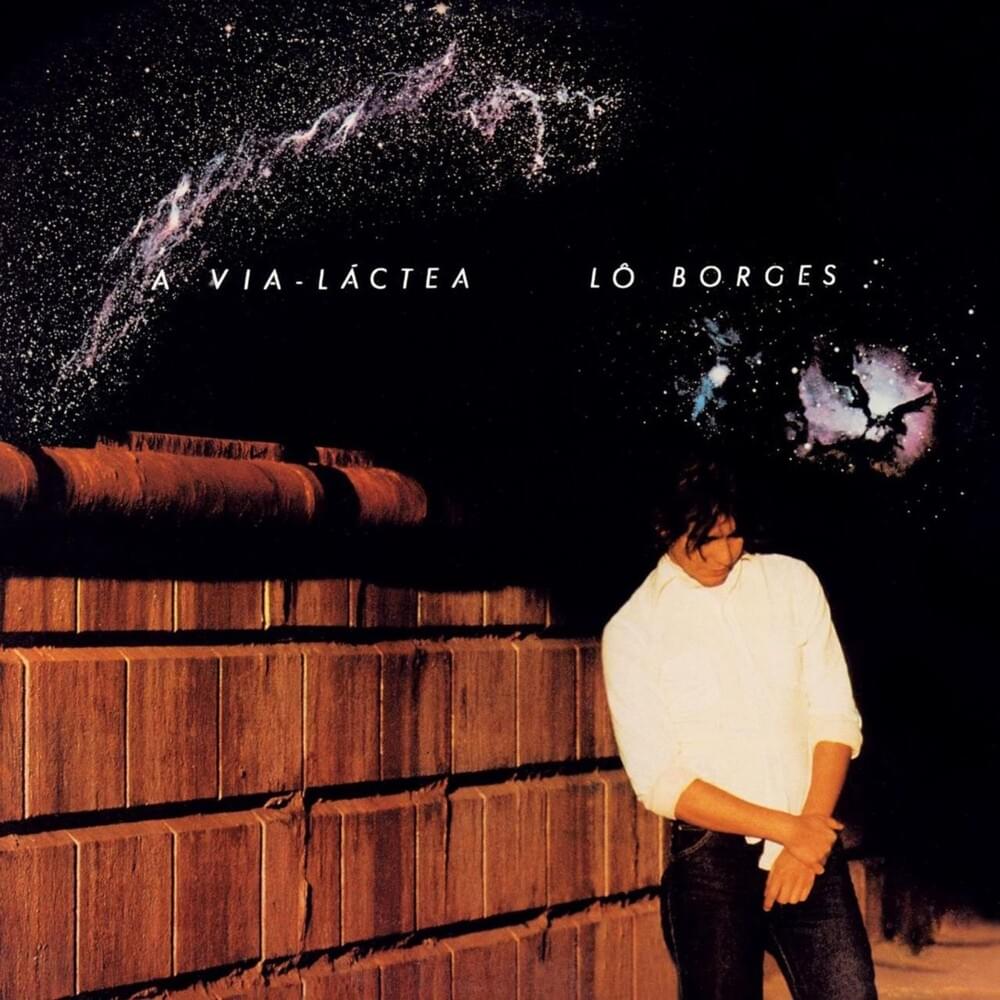
 View Artist