Song Meaning
The lyrics paint a stark picture of daily struggle and survival in a tough environment, where financial desperation drives risky behavior. The opening lines immediately establish a sense of recurring hardship: "Au matin les poches vides chaque jour que Dieu fait" (In the morning pockets empty every day God makes). This sets the tone for a narrative focused on the grind for money, even resorting to crime, as indicated by "gratter le billet" (scratching for the bill) and the implication of "crime maintenant c'est quoi" (crime now what's it). The narrator seems to be describing a life where immediate needs override long-term consequences.
The central tension lies in the conflict between the desire for a better life and the harsh realities that push individuals towards illicit activities. The phrase "Marche ou crève dans ton jeu pas de trêve" (Walk or die in your game no truce) encapsulates this brutal ultimatum. It suggests a system where one must constantly fight to survive, with no room for rest or compromise. The narrator's ambition is evident, but it's framed within a context of necessity, where "côté obscur d'ambition" (dark side of ambition) is a direct consequence of their circumstances.
A striking element is the narrator's defiant stance against judgment, encapsulated in "Critique pas le joueur mais critique le jeu" (Don't criticize the player but criticize the game). This shifts blame from individual actions to the systemic pressures that force these choices. The imagery of being "Posté devant le hall à en chopper la crève" (Posted in front of the hall catching a cold) further emphasizes the physical toll and exposure endured while waiting for opportunities, highlighting the precariousness of their situation. The closing lines, "Les vrais renois ne meurent pas / Si tu bouges pour ta face renoi c'est que tu penses comme moi" (Real brothers don't die / If you move for your face brother it's because you think like me), reinforce a code of resilience and solidarity born from shared struggle.
These lyrics resonate because they articulate a raw, unvarnished perspective on survival. The direct language and unflinching portrayal of hardship create a sense of authenticity. The narrator's call to "critique le jeu" rather than the player offers a compelling argument for understanding the societal forces at play, making the struggle feel less like a personal failing and more like a systemic battle. It's this blend of defiance, desperation, and a demand for recognition of the game's unfairness that gives the lyrics their potent impact.
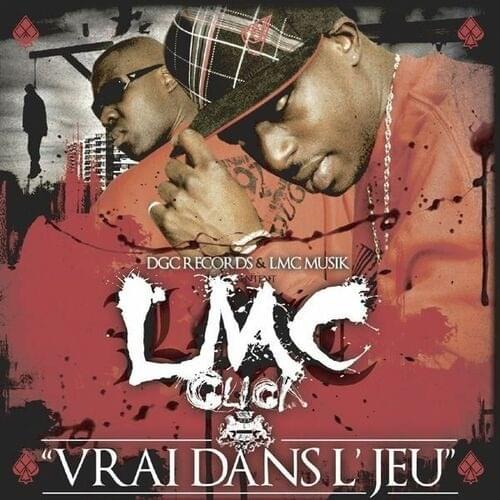
 View Artist