Song Meaning
The narrator opens with a profound sense of linguistic and personal depletion, feeling that their words are worn out and insufficient. This leads to a desire for a realm beyond speech, a place where communication doesn't rely on tired phrases. There's a palpable exhaustion, a sense that their inner strength has been overused and needs to be conserved for a future, unspecified 'gesta' that will bring about a new dawn. This anticipation suggests a deep-seated hope, even amidst the current weariness.
The core tension arises from a simmering rage, a powerful emotion the narrator refuses to suppress or forget. This anger is juxtaposed with a dwindling hope, which the narrator contemplates abandoning. The fear is that clinging to hope might paralyze them, preventing the necessary action. This internal conflict between the desire to act and the potential futility of hope is a central struggle.
The lyrics masterfully employ a cyclical structure, repeating the phrase "Que poca/Quanta" (How little/How much) to measure diminishing resources and rising emotions. This creates a stark contrast between the narrator's perceived lack of words and strength, and their abundance of rage and misery. The final stanza reveals the purpose of this internal inventory: to hold onto all this accumulated misery, not to be consumed by it, but to carry it forward until a specific, future day – "the day of the miserable."
This deliberate accumulation and preservation of suffering, especially the rage, suggests a refusal to be broken. The narrator isn't seeking solace or escape but is instead preparing for a collective reckoning or a moment of profound solidarity among those who have endured hardship. The power lies in this defiant act of holding onto one's pain and anger, transforming it into a fuel for a future, yet-to-be-defined moment of truth.
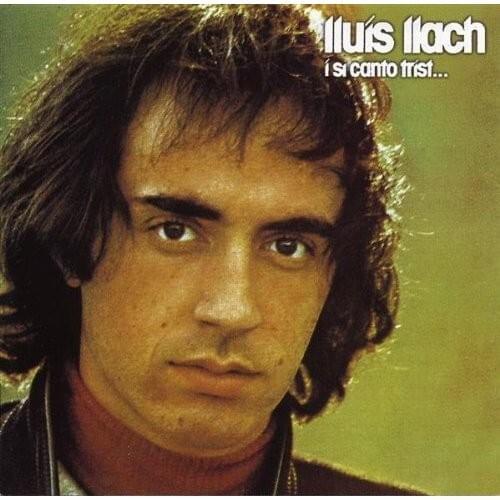
 View Artist