Song Meaning
The lyrics paint a vivid picture of a cyclical existence, dominated by the dread of the workweek and the fleeting joy of the weekend. The opening lines immediately establish a tone of weary resignation, with "Blue Monday" being the ultimate antagonist. The narrator's life seems to revolve around enduring the grind from Monday through Thursday, solely for the reward of Friday's pay. This structure highlights a life lived in anticipation of escape rather than in the present moment.
The central tension lies in the stark contrast between the drudgery of the week and the liberation of Saturday. The narrator "hate[s] Blue Monday" and is "beat to my socks" by Wednesday, yet Saturday morning brings an immediate transformation. This is when "all my tiredness has gone away," and he's equipped with "my money and my honey" to "play." This sharp dichotomy underscores the immense value placed on those brief hours of freedom.
The most striking aspect of the writing is its direct, almost blunt, portrayal of this weekly cycle. There's no elaborate metaphor, just a clear, day-by-day breakdown of the narrator's emotional and physical state. The repetition of "Saturday mornin', oh Saturday mornin'" emphasizes its significance as the peak of his week, a moment of pure, unadulterated release. Even Sunday, while tinged with the consequences of Saturday's revelry ("my head is bad"), is framed as a necessary prelude to the weekend's enjoyment.
This unvarnished depiction of the work-rest cycle is precisely what makes these lyrics resonate. They capture a common human experience: the feeling of being trapped by obligations, with joy found only in the brief respites. The simple, declarative sentences and the clear progression through the week create an undeniable sense of relatable struggle and earned celebration.
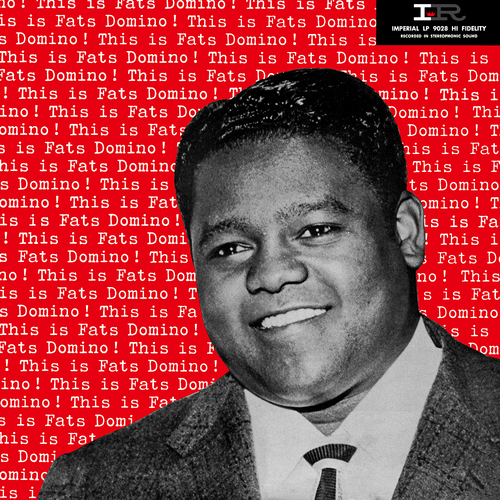
 View Artist