Song Meaning
Lloyd Cole's "Waterline" isn't just a song; it's a post-mortem on a relationship, dissected with the cold precision of a surgeon and the melancholic acceptance of a seasoned romantic. The opening lines, "Well, it used to be everything was fine / Everything I saw was mine," immediately establish a paradise lost. This isn't naive nostalgia; it's the brutal acknowledgement of a past where creative inspiration and personal connection were intertwined, where the narrator's vision felt boundless, fueled by the muse-like presence of the other person. The "perfect frown" hints at a critical eye, a grounding force that, in retrospect, was perhaps more vital than appreciated. Cole paints a picture of an artistic symbiosis now irrevocably broken.
The core of the song’s meaning lies in the repeated lines about trading "holy water for cheap wine." This isn’t a simple exchange of value; it’s a deliberate act of self-sabotage, a rejection of something pure and essential for a fleeting, ultimately unsatisfying substitute. The "holy water" represents the genuine connection, the artistic integrity, and perhaps even a sense of spiritual fulfillment derived from the relationship. The "cheap wine," on the other hand, suggests a descent into superficiality, instant gratification, or a compromise of one’s values. He admits he "ran out of time," but the ambiguity of the phrase hangs heavy. Did he squander the opportunity, or did the relationship simply reach its natural conclusion?
The final verses deepen the sense of regret and resignation. The shift from "whiskey for your wine" introduces a personal, intimate element to the trade, a sacrifice of his own essence for something ultimately unsustainable. The image of "leaving my river running dry" is particularly potent, suggesting a depletion of creativity and emotional vitality as a direct consequence of his choices. The "waterline" itself becomes a stark reminder of what was once full and flowing, now reduced to a permanent marker of loss. The concluding lines, "You might say I wasted my time / You might say, well, I don't mind," are delivered with a world-weary shrug, a defense mechanism against the pain of acknowledging the true cost of his choices. Ultimately, "Waterline" is a song about the bittersweet consequences of trading authenticity for illusion, and the lingering echo of what might have been.
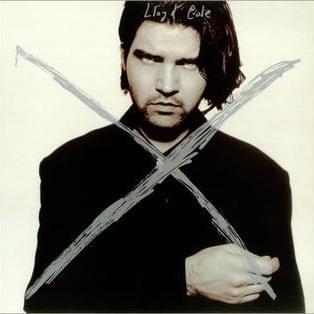
 View Artist