Song Meaning
The lyrics define "ho" not just by sexual promiscuity, but by a perceived lack of loyalty and a transactional approach to relationships and social standing. The narrator asserts that anyone "all up in a nigga's face" because he's doing well, or someone who easily switches partners, fits this definition. This framing suggests a critique of individuals who exploit or are easily exploited within social circles, particularly when financial or social success is involved. The repeated phrase "you's a ho" acts as a blunt, dismissive label for this behavior.
The central tension arises from the narrator's judgment of perceived disloyalty and opportunism. The lyrics paint a picture of individuals who are easily swayed, engage in manipulative behavior, or lack genuine connection, often for personal gain or status. The narrator seems to be drawing a line between genuine success and what he views as a shallow, unprincipled pursuit of it, labeling those who cross that line with a harsh epithet. The idea of "runnin' 'round burnin' niggas" and seeking a "baby sitter" to have a child with someone else highlights a deep distrust and disdain for such actions.
Interestingly, the lyrics expand the definition beyond women, stating "this ain't only for the broads / 'Cause a lot of niggas act like bitches without the bras." This broadens the critique to include men who exhibit similar traits of disloyalty, opportunism, or a lack of genuine substance, particularly in relation to social status or perceived success. The comparison to "singin' like a opera" while talking "gangsta shit" further emphasizes a critique of inauthenticity and performative behavior, regardless of gender.
This lyrical approach is effective through its aggressive, direct language and its redefinition of a derogatory term. By applying the label to a wider range of behaviors – including social climbing, disingenuous posturing, and a lack of loyalty – the narrator creates a stark, albeit offensive, moral framework. The raw, confrontational tone underscores the intensity of the narrator's judgment, making the critique feel personal and absolute.
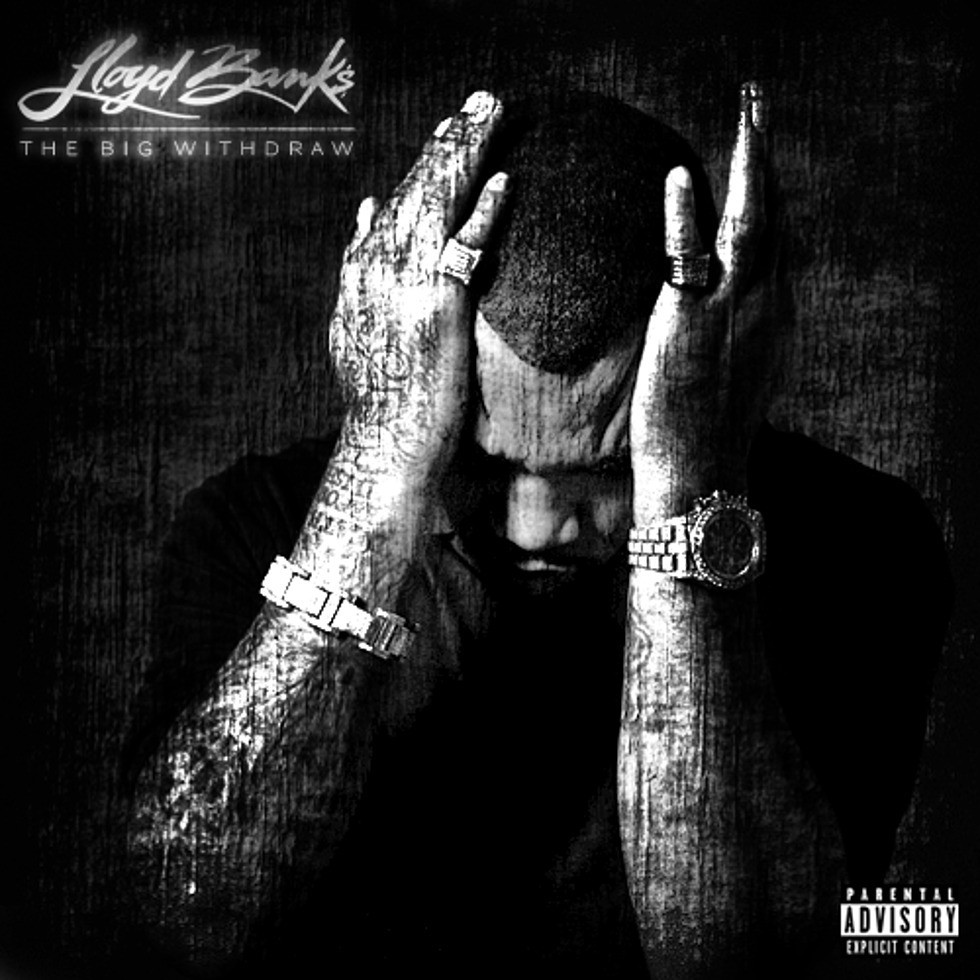
 View Artist