Song Meaning
The lyrics paint a stark picture of love as an inescapable, almost spectral presence, a force that haunts rather than heals. The opening lines immediately establish a tone of grim resignation, with love described as "eternal haunting" and an invitation to "eat the hurt the ache the numb." This isn't a gentle affection; it's a consuming, painful experience that the speaker seems to have accepted, even welcoming the "loveless owner" in a perverse twist of emotional ownership. The initial verses set a stage where love's demise is not a release but a continuation of its painful grip.
The central tension arises from the conflict between the enduring pain of love and a desperate, almost defiant assertion of permanence. Despite the "death of love," the narrator insists, "You and I are never gonna die" and "I will remember you, it's alright." This creates a powerful dissonance: how can something be dead yet eternally remembered and present? It suggests a love that, even in its end, refuses to truly let go, existing in a liminal space of perpetual remembrance and lingering influence, making the "sacrifice" feel both inevitable and deeply costly.
The most striking craft element is the paradoxical imagery used to define love's nature. It's simultaneously "screaming backwards" and a "broken dreamer falling forward," suggesting a force that is both regressive and destructively progressive. The phrase "Love has a cold death grip on forever" encapsulates this, presenting an eternal, chilling hold that transcends simple mortality. This juxtaposition of backward motion and forward fall, coupled with the chillingly permanent "death grip," highlights the inescapable and ultimately destructive nature of this particular love.
What makes these lyrics hit so hard is their unflinching portrayal of love's aftermath as a form of ongoing torment rather than closure. The repetition of "It's alright" becomes increasingly ironic, a fragile shield against the overwhelming sense of loss and perpetual haunting. The narrator's insistence on an eternal connection, even after acknowledging the "death of love," creates a poignant, almost tragic, sense of being trapped by memory and the ghost of what once was, making the final assertion of being "We're alright" feel like a desperate, hollow echo.
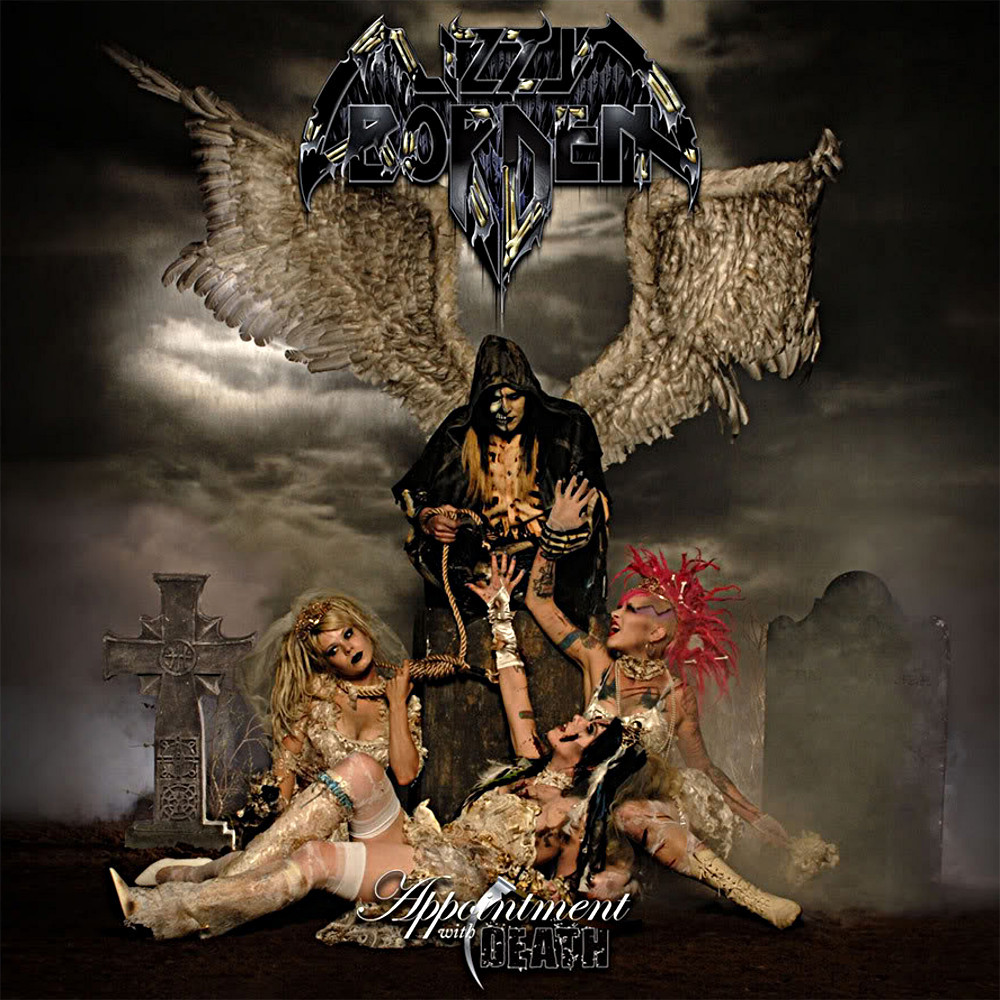
 View Artist