Song Meaning
Lizz Wright's "The New Game" isn't just a song; it's a declaration of resilient selfhood. The opening lines immediately establish a sense of motion, of being pursued perhaps, but more importantly, of active engagement with life on her own terms. Wright sings of "staying down low, spirit up high," a powerful image of navigating challenges with both grounded awareness and unwavering hope. This isn't naive optimism, but a hard-won perspective forged in the face of adversity. The reference to "good water and fire" as teachers suggests a willingness to learn from both nurturing and destructive forces, integrating these lessons into her evolving identity. The "new game" itself symbolizes a shift in perspective, a conscious decision to rewrite the rules of engagement. It's a game where fluidity and adaptability are key, where one "flows like nothing behind," unburdened by past traumas or limitations. The core message here is about transformation and the active pursuit of personal evolution.
The chorus's central metaphor, "miracle like water to wine," speaks to the transformative power within oneself. Wright isn't waiting for external salvation; she embodies the miracle. She's both "tender hearted but a soldier," embracing vulnerability while simultaneously possessing inner strength and resilience. This duality highlights the complexity of the human spirit, the ability to be both compassionate and fiercely independent. The repeated plea for a "sign" in the outro isn't a sign of weakness but rather an acknowledgement of the need for guidance and affirmation along the journey. It is a reaching out to something greater than herself, be it a spiritual force or simply a deeper connection to her own intuition.
"The New Game" lyrics reveal a journey from passive victimhood to active agency. Verse two reinforces this theme of self-possession and empowerment. "I got my bag, got my wings, gonna give you a bit of everything" is not a boast but an expression of generosity stemming from a place of inner abundance. The lines "You made me sing now I wanna shout" suggest a release of pent-up emotions, a cathartic expression of newfound freedom. The acknowledgement of "remembering the way in" implies a return to one's authentic self, shedding old constraints and embracing a future defined by joy, movement, and a refusal to be held back by "tears" or "shame." This is a song about embracing change, rewriting one's narrative, and stepping into a future where the only limits are those self-imposed.
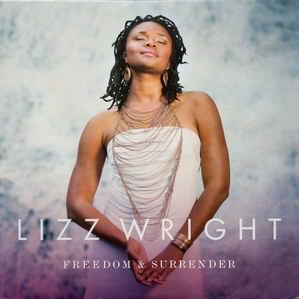
 View Artist