Song Meaning
Lizz Wright's interpretation of "Old Man" isn't just a cover; it's a profound dialogue across generations, filtered through her signature soulful lens. The song meaning hinges on the universal search for connection and the unsettling realization that we often mirror those who came before us, whether we intend to or not. The lyrics, spare and direct, speak to a yearning for lasting love and a fear of impermanence. Wright doesn't just sing the words; she embodies the quiet desperation of a young soul grappling with the weight of time and the complexities of relationships. The 'paradise' that makes her 'think of two' highlights the inherent loneliness that can exist even amidst beauty and privilege. It's the paradox of being surrounded yet feeling utterly alone, a sentiment that resonates deeply in a culture obsessed with fleeting digital connections.
The repeated plea, 'Old man look at my life, I'm a lot like you,' acts as both an admission and a cry for understanding. It's a recognition of shared vulnerabilities, the inevitable cycle of love, loss, and the persistent need for companionship. The image of a 'coin that won't get tossed' symbolizes the desire for stability and enduring affection in a world of constant change. This isn't just about romantic love, though; it's about finding a grounding force, a sense of belonging that transcends the superficial. Wright's delivery imbues the lyrics with a weary wisdom, suggesting that this 'old man' isn't necessarily a literal figure, but a representation of accumulated life experience, perhaps even the singer's own future self.
The subtle shift in perspective, from 'look at my life' to 'take a look at my life,' hints at a deeper level of vulnerability. It's an invitation, a reaching out for guidance and acceptance. The repeated assertion, 'Just one look in my eyes and you can tell that's true,' underscores the raw honesty at the heart of the song. Wright strips away artifice, offering a glimpse into the vulnerable core of human experience. The final repetition of the opening lines serves as a haunting echo, reinforcing the cyclical nature of life and the enduring quest for connection that binds us all.
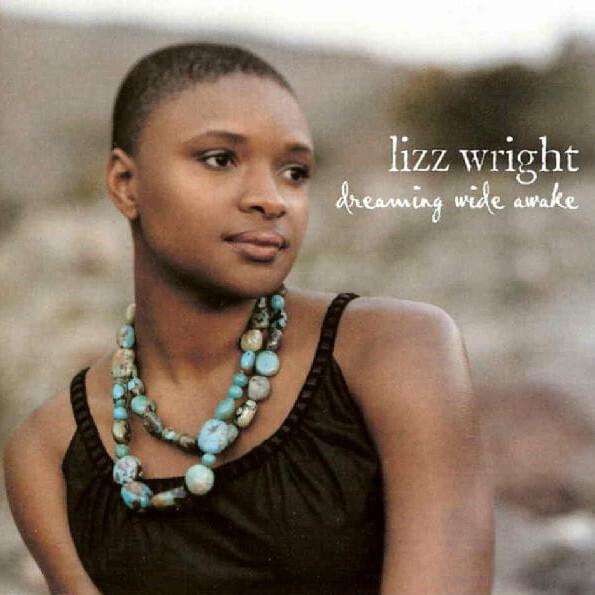
 View Artist