Song Meaning
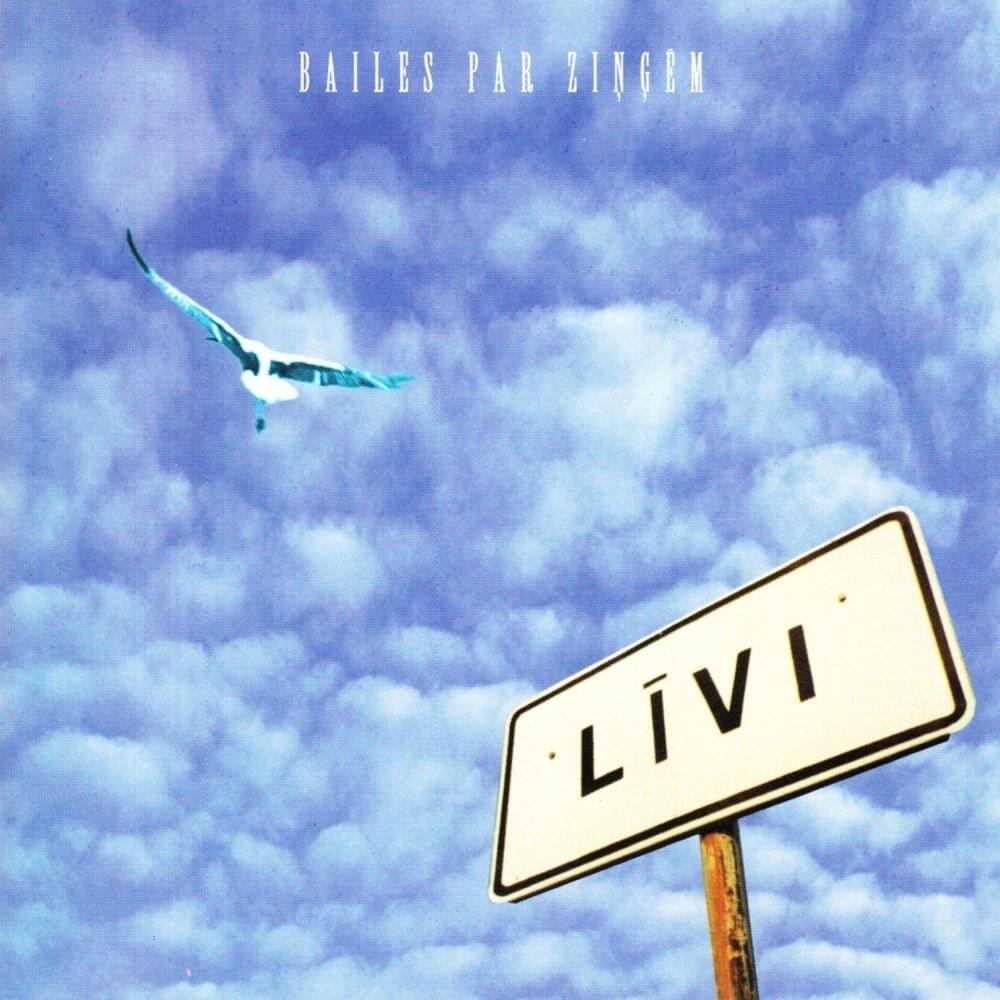
The lyrics paint a vivid picture of a soul, likened to a swift bird, desperately trying to reach its beloved. This 'zīlīte' (a small bird, often a titmouse or similar) races past the windowpane, mirroring the narrator's own restless spirit. The dominant emotion is a profound sense of longing and dependence, suggesting that life without the addressed 'you' is incredibly difficult, almost unbearable. The bird's desire to go to 'you' becomes the narrator's sole focus.
The central tension lies in the overwhelming power of a singular, all-consuming feeling. This 'only feeling' (vienīgā jūta) surges within the narrator's chest, a force so potent it demands to express itself entirely to the beloved. It’s a feeling that dictates the narrator's existence, leaving no room for anything else and highlighting a complete surrender to this emotional state.
The most striking aspect is the absolute declaration of unity and surrender. The narrator asks where peace can be found without 'you,' emphasizing a complete lack of control or agency apart from this connection. The phrase 'no power is left that would separate us' (Nav varas vairs, kas šķirtu mūs) suggests an unbreakable bond, a fusion so complete that external forces are irrelevant. This culminates in a total offering: 'I give everything into your hands / Whatever has been in me, is, and will be!' (Es tavās rokās visu dodu / Kas manī bijis, ir un būs!).
This lyrical construction is effective because it uses the simple, natural image of a bird to convey an intense, almost spiritual yearning. The repetition of the bird running past the window creates a sense of urgency and confinement, while the final lines offer a powerful, almost terrifying, image of complete self-abnegation. The raw, unvarnished expression of dependence and devotion makes the emotional weight of the narrator's plea palpable.
 View Artist