Song Meaning
The lyrics paint a vivid, almost ethereal portrait of Liepāja, describing it with delicate natural imagery. But the true anchor is "Rožu laukums," or Rose Square, which the narrator insists resides deep within their soul. This repetition immediately signals a profound, almost spiritual connection to a specific place.
The core emotional weight here isn't a conflict, but a profound declaration of identity. Liepāja is personified with a "body" and "hair," likened to a "linden blossom" and "waves dancing," suggesting a graceful, nurturing presence. This vivid imagery establishes Liepāja as a beautiful, life-giving origin, a place where "all winds weave a nest" for themselves, implying a protective, foundational quality.
The most striking craft choice arrives with the line, "No Liepājas es Pasaulē dzimstu, Bet dvēselē Rožu laukums." This isn't just a statement of physical origin; the "But" creates a powerful distinction. It suggests that while the speaker was physically born *from* Liepāja *into* the wider world, Rose Square isn't merely a location but the very essence of their inner self. It's an internal, unshakeable core that transcends mere geography.
The relentless, almost hypnotic repetition of "Rožu laukums" — first three times, then six — elevates it beyond a simple place name. It becomes a mantra, an incantation that solidifies its status as a spiritual anchor. These lyrics effectively convey a deep-seated sense of belonging and an identity rooted not just in a birthplace, but in a cherished, internal landscape. This internal landscape appears to define the speaker's very soul, making "Rožu laukums" a powerful symbol of an unyielding inner home.
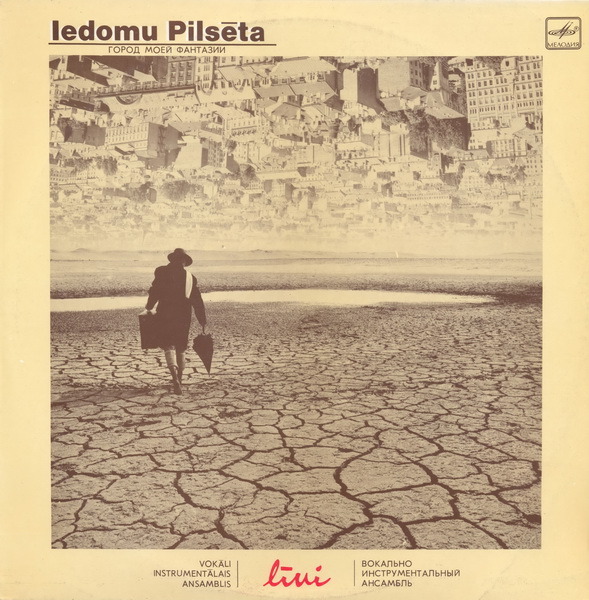
 View Artist