Song Meaning
The lyrics paint a vivid picture of a young woman, Julieta, standing at a precarious emotional crossroads. The opening lines immediately establish a sense of unease, with her window, a symbol of her inner world, accumulating 'sombras en los vidrios' – shadows on the glass. This suggests a growing darkness or perhaps a clouded perception, amplified by the stark image of her 'ventana sin cancel,' an open, unprotected frame. The narrator warns her that love, when it visits, doesn't arrive in its familiar guise but 'cambiándose la piel,' implying deception or a hidden, potentially dangerous nature.
The central tension lies in Julieta's potential naivete versus the harsh realities of love and misfortune. While there's a fleeting mention of 'alborozo femenino descubriendo el sol' – feminine delight discovering the sun – it’s immediately followed by a stern command: 'No mires, Julieta, cuando el amor inventa laberintos.' This highlights a conflict between innocent joy and the complex, potentially destructive paths love can forge, where 'alguien se tiene que perder.' The advice to keep a 'fina espada de mujer' suggests a need for self-protection, even if she's currently 'ignorando su poder,' treating it all as mere illusion.
The most striking craft element is the persistent, almost parental, direct address to Julieta, coupled with stark, contrasting imagery. The 'ventana sin cancel' (window without a screen/grate) is juxtaposed with the idea of a 'fina espada de mujer' (fine sword of a woman), moving from vulnerability to a call for strength. The repeated phrase 'y te despeinará' (and it will mess up your hair) is particularly effective, transforming a seemingly minor physical disruption into a metaphor for heartbreak that will 'enlutarte el corazón' (mourn your heart). This repetition emphasizes the inevitable, disheveled pain that misfortune brings.
These lyrics resonate because they capture the universal, yet deeply personal, moment of facing the unknown complexities of love and life. The writing skillfully uses domestic imagery – windows, hair – to represent profound emotional states and future sorrows. The narrative voice acts as a cautionary guide, acknowledging both the potential for joy and the certainty of pain, urging Julieta to prepare for the latter even as she might be tempted by the former. It’s this delicate balance of warning and acknowledgment of youthful illusion that gives the song its poignant weight.
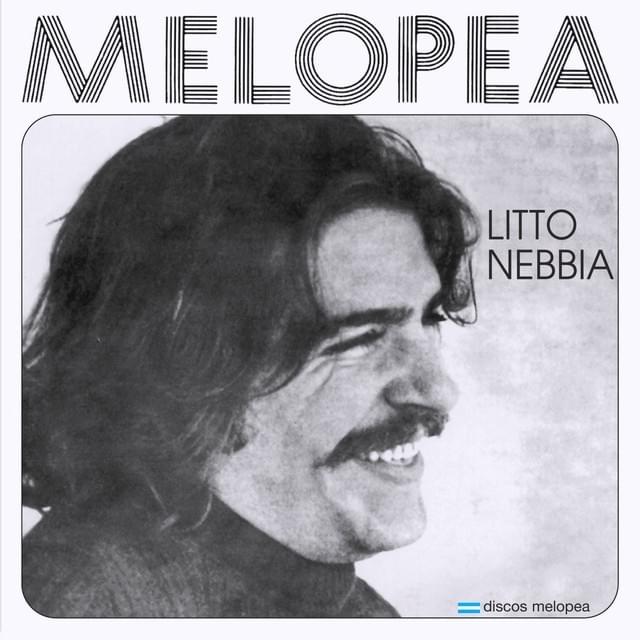
 View Artist