Song Meaning
The lyrics paint a picture of an unshakeable, almost elemental force, referred to as a "hipocampo"—a seahorse—that thrives in a place free from fear and where promises hold no weight. This entity is presented as incredibly resilient, impervious to external threats like bullets, trenches, envy, or the sea. It possesses a strange vitality, even described as "convalescent from love," suggesting a state of recovery or lingering effect from a powerful emotional experience. The core idea is that despite its immense fortitude against all other adversities, this force can only be undone by a specific kind of vulnerability: "un amor imbécil"—an imbecilic love.
The central tension lies in this paradox: an entity of immense strength and resilience that is ultimately susceptible to a foolish or irrational love. The lyrics repeatedly emphasize its invincibility against tangible and intangible dangers, only to pivot to its singular weakness. This contrast highlights how emotional folly can be more devastating than any physical or existential threat, suggesting that sometimes the most profound damage comes not from external conflict but from internal, self-inflicted emotional wounds.
The most striking craft element is the persistent, almost mythical imagery of the seahorse, a creature often associated with gentleness and the depths of the ocean, juxtaposed with its described invincibility. The repetition of "solo puede morir / Por un amor imbécil" acts as a haunting refrain, hammering home the central theme. The phrase "la flor de tu esperma trae cambio" introduces a jarringly biological and fertile image, linking creation and potential change directly to the destructive force of this foolish love, further complicating the seahorse's nature.
These lyrics resonate because they articulate a universal, albeit painful, truth about emotional vulnerability. The writing crafts a powerful metaphor for an aspect of the self or a relationship that feels indestructible, only to reveal its Achilles' heel in the form of irrational affection or misguided devotion. The stark, declarative statements about what *cannot* harm this entity, followed by the singular, devastating cause of its demise, create a profound sense of tragic inevitability that feels both specific and deeply felt.
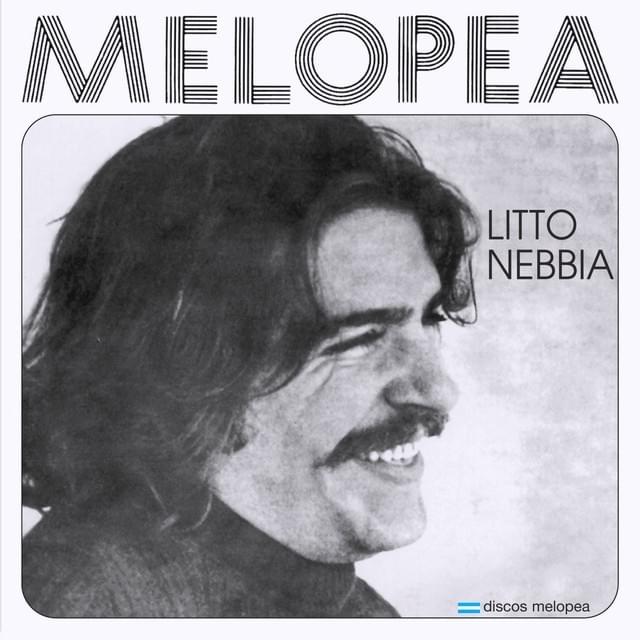
 View Artist