Song Meaning
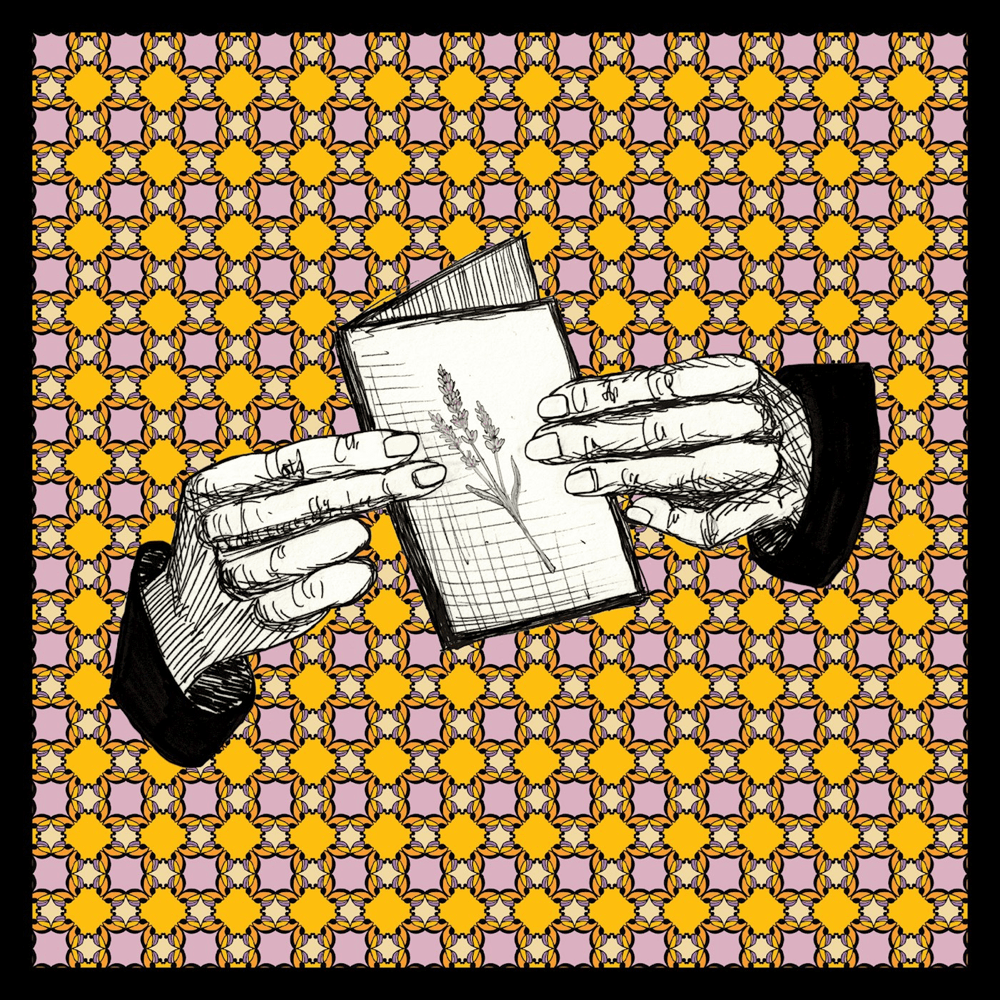
The scene opens with a plea for "Midnight palmistry," a desperate attempt to peer into the future. Yet, there's an immediate dismissal of negative signs, urging "Never mind these broken lifelines." A palpable tension hangs in the air, as the speaker actively chooses denial, commanding to "Pretend it isn't there, pretend you don't care." This sets a tone of anxious avoidance, a desire for answers battling a fear of truth.
The central conflict lies in this push-pull between seeking foresight and actively shunning it. The repeated warning, "Don't look now," underscores a deep-seated reluctance to confront what might be revealed. There's a resignation in "There's no way you can tell / It's just as well," suggesting that ignorance, while perhaps painful, is also a form of protection. The lyrics portray a mind caught between curiosity and the comfort of not knowing.
The craft here shines in the evocative imagery and the shift in perspective. Initially focused on the literal lines of a hand, the lyrics expand to abstract questions about what's kept "On the other side?" and "In the folds of time?" This elevates the "divination" from a simple parlor trick to an existential inquiry into hidden truths. The phrase "Heavy and small, keepers of all" creates a compelling paradox, hinting that the most profound secrets are held by things both insignificant and burdensome.
These lyrics resonate by tapping into a universal human dilemma: the yearning to understand fate versus the instinct to shield oneself from harsh realities. The repeated refrain of "Don't look now" effectively conveys a cyclical struggle, where the desire for knowledge is constantly tempered by a protective urge to remain unaware. It's a powerful portrayal of how we grapple with the unknown, often preferring the illusion of control that comes with deliberate blindness.
 View Artist