Song Meaning
The lyrics paint a stark picture of a past that refuses to stay buried, manifesting as literal shadows and a sense of inescapable consequence. The opening lines, "Of the darkened past and the shadows in the grass / All that exploded like a shattered glass," immediately establish a tone of rupture and lingering damage. This isn't a gentle fading away; it's a violent break whose fragments still litter the present landscape, compelling a frantic, almost desperate movement "on foot indeed the cliff by the county line." The narrator is clearly trying to outrun something, but the imagery suggests the past is a physical presence, a persistent shadow.
The central tension lies in the narrator's futile attempt to escape their history. Despite the physical act of running and the arrival of a "new night," the past is revealed to be deeply ingrained, "the seeds been planted the entire time." The line "Surprised to see it here I thought I left it all behind" highlights this internal conflict – a conscious effort to move forward clashing with an unconscious, or perhaps inevitable, re-emergence of old patterns. This is further emphasized by the self-awareness of being "Dumb but still talking looking but still blind," suggesting a cycle of repeating mistakes.
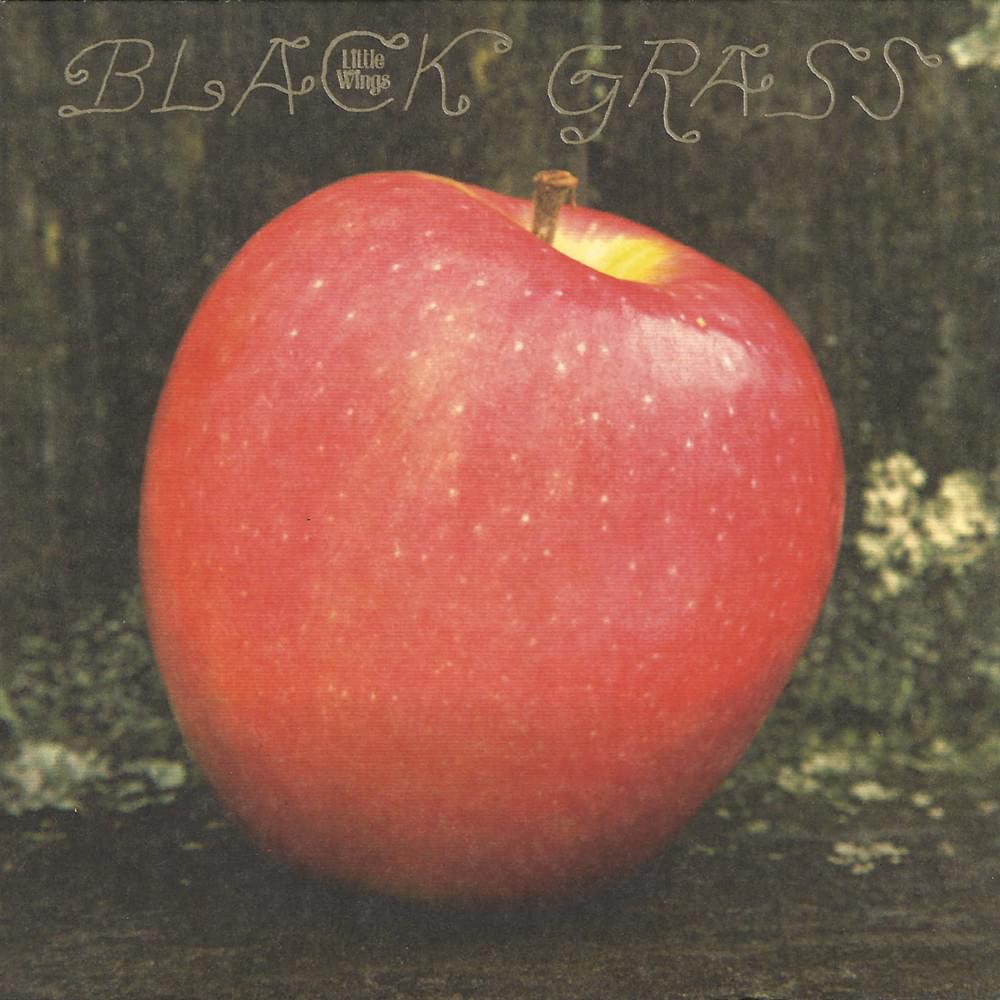
The most striking craft element is the recurring image of "black grass" illuminated by the moon, juxtaposed with the imagery of decay and impending doom. This moonlit "black grass" becomes a potent symbol of the past's pervasive, almost unnatural presence – it's not just there, it's actively illuminated, making it impossible to ignore. The contrast between the "shattered glass" of the past and the "shredded rope" of the present, coupled with the "thorn in deep / Seeking something so strong that it kills," creates a visceral sense of ongoing pain and a destructive impulse that permeates everything, from the "human being and the bird and beast."
Ultimately, these lyrics resonate because they capture the unsettling feeling that our past is never truly gone, but rather lies dormant, waiting for the right conditions to resurface. The meticulous detail in describing the desperate flight and the pervasive, almost sentient nature of the past makes the narrator's struggle feel intensely personal yet universally understood. The writing doesn't offer easy answers, instead leaving the listener with the haunting image of the moon shining on the black grass, a quiet testament to the enduring power of what we try to leave behind.
 View Artist