Song Meaning
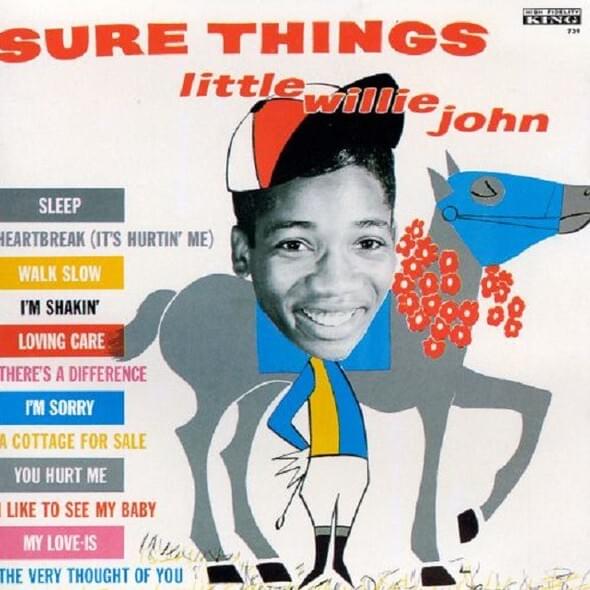
Little Willie John's rendition of "A Cottage for Sale" isn't just a song; it's a masterclass in melancholic architecture. The cottage itself becomes a symbol, less of bricks and mortar, and more a skeletal framework of shattered domesticity. It's a place where joy once resided, now haunted by absence, each detail meticulously crafted to amplify the feeling of irreparable loss. The lyrics paint a picture of abandonment and decay, not just of a physical structure, but of the dreams and shared life it once sheltered. The waving hay, the withered garden, and the weeds mockingly replacing roses – these aren't just descriptions, but visceral emblems of a love gone sour. The very essence of the song meaning hinges on the psychological impact of place, how a location can become so deeply intertwined with personal history that its decay mirrors one's own internal state. The cottage isn’t just for sale; a past is being liquidated.
The recurring image of seeing a face at every window, only for it to vanish upon closer inspection, is a particularly potent representation of grief and longing. It's the mind playing tricks, conjuring illusions of what was, in a desperate attempt to fill the void. This phantom presence underscores the central theme of the song: the inability to move on. The repetition of this verse emphasizes the cyclical nature of grief, the way memories can ambush you, offering fleeting comfort before dissolving into the harsh reality of absence. The 'empty space' is not just a physical void but also a psychological one, a constant reminder of what has been lost.
Ultimately, "A Cottage for Sale" is a study in the psychology of loss, using the tangible image of a dilapidated home to explore the intangible experience of heartbreak. The fact that the key remains in the mailbox, unchanged, is perhaps the cruelest detail of all. It signifies a stagnant state, an inability to fully sever ties with the past. Little Willie John delivers this with a rawness that cuts straight to the bone. The song's power lies in its ability to evoke a universal feeling – the ache of lost love and the struggle to reconcile with a changed reality, all embodied within the lonely walls of a cottage awaiting a buyer.
 View Artist