Song Meaning
The lyrics of "Mean Old Frisco" paint a stark picture of loss and disillusionment. A narrator laments the departure of his "babe" on a train, personifying the "mean old Frisco" and "low down Santa Fe" as malicious forces. This immediate blame sets a tone of deep sorrow and resentment.
The central emotional tension emerges from the narrator's internal conflict. He recalls his parents' cynical warning: "every woman grins in your face / Well, she ain't no friend of you." This advice, delivered with stark repetition, suggests a protective, albeit bitter, wisdom. Yet, despite this ingrained caution, the narrator's vulnerability shines through as he repeatedly asks, "Lord, I wonder / Will she ever think of me?" This poignant questioning reveals a lingering hope, or perhaps a desperate need for validation, that clashes with the hard-won lessons of his upbringing.
The craft here is in the stark contrast and the blues-rooted repetition. The trains don't just carry her away; they "blow smoke out to me," an image that feels both literal and dismissive, almost mocking. The repeated phrases, especially in the "I wonder" section, don't just emphasize the thought; they make it feel like a persistent, aching doubt. This structure builds a sense of a mind circling a painful truth, unable to fully accept it.
Ultimately, the lyrics are effective because they capture the raw, unvarnished ache of abandonment. The narrator's final declaration, "I ain't got no / Special rider here" and his decision to leave because he doesn't "feel welcome here," transforms the lament into a quiet act of self-exile. It's a powerful, understated ending that resonates with the quiet dignity of someone who has lost everything and is now simply moving on, carrying his sorrow with him.
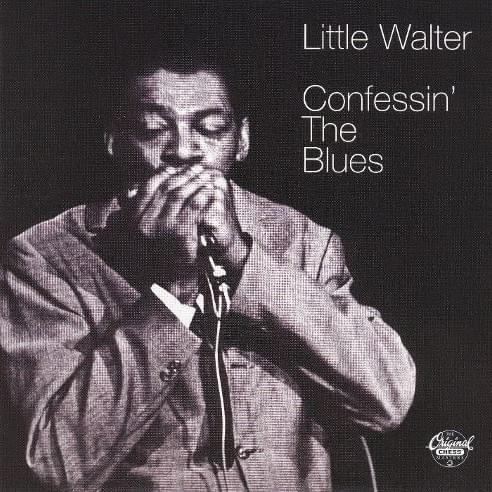
 View Artist