Song Meaning
The lyrics immediately plunge into a tangled emotional state. The speaker declares a lack of love but a persistent desire, setting up a deeply conflicted dynamic. It's a raw, unapologetic expression of self-interest.
The central tension here is the speaker's manipulative control over the relationship. They state, "Io non t'amo più" (I don't love you anymore) but immediately follow with "Ma ti voglio / Ancora un po' per me" (But I want you / Still a bit for me), revealing a desire to keep the other person close purely for their own convenience. This self-serving attitude is reinforced by the declaration, "Se mi piace / Io ti lascerò / Non so quando / Ma per ora no!" (If I like it / I will leave you / I don't know when / But not for now!), highlighting a profound indecision rooted in personal whim.
Perhaps the most striking craft element is the series of stark contradictions that define the speaker's emotional landscape. They claim, "Non m'importa / Niente del tuo amor" (I don't care / Nothing about your love), yet paradoxically demand, "Ma non mi dire / T'amo ancor" (But don't tell me / I still love you). This isn't indifference; it's a desperate need to dictate the other person's feelings, even if it means denying their reality, creating a deeply unreliable and self-absorbed narrator.
The song takes an unexpected turn with the sudden, repeated English interjection, "Tell me what I'd say?" After a series of blunt, self-assured Italian declarations, this question introduces a moment of vulnerability or profound confusion. It's as if the speaker is suddenly lost for words, perhaps seeking validation, a script, or even a moment of self-reflection amidst their own emotional chaos. This unexpected shift makes the speaker feel more complex and human, leaving the listener to ponder the true depth of their internal disarray.
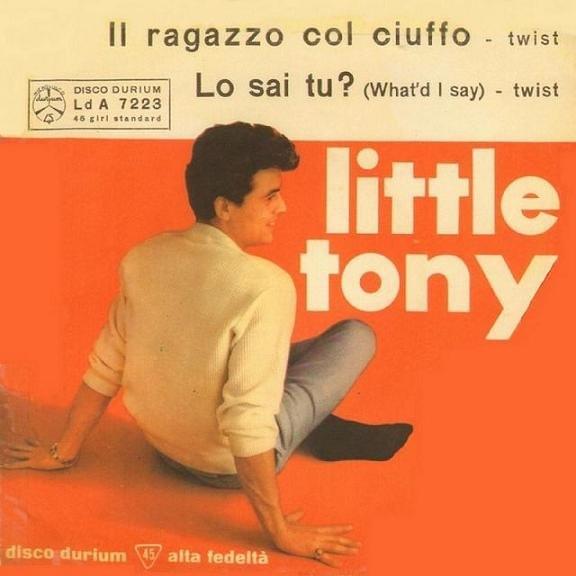
 View Artist