Song Meaning
The lyrics paint a stark picture of a love that transcends all else. The speaker declares that of everything life has offered, "Il mio amore con Giulia" remains unforgettable. It's a powerful opening, immediately establishing a deep, singular devotion that time cannot diminish. The repetition of her name, "Giulia, Giulia," feels like a whispered, cherished secret.
The core tension here lies between a cherished, vibrant past and a desolate present. The speaker fondly recalls "tante sere d'amore" and "tanti giorni felici," yet immediately follows this with the painful admission, "non sono più con lei." This contrast isn't just about absence; it's about an enduring, almost sacrificial love, where the speaker insists, "vivo di lei." Their very existence is tied to this lost connection.
The most striking craft element is the absolute finality of the speaker's despair, particularly in the lines "Nessuno mi vedrà mai più sorridere." This isn't just sadness; it's a declaration of permanent emotional incapacitation. The abrupt "No, non capirà mai" cuts off any hope of external solace or understanding, isolating the speaker in their grief and making their love for Giulia an intensely private, all-consuming force.
These lyrics hit hard because they articulate an extreme, almost frightening level of devotion and grief. The speaker's refusal to move on, their declaration of a smile-less future, and the belief that no one could ever comprehend their pain, creates a visceral sense of a life utterly consumed by a single, unforgettable love. It's the raw, unyielding commitment to this past emotion, even in its absence, that makes the sentiment so impactful and deeply melancholic.
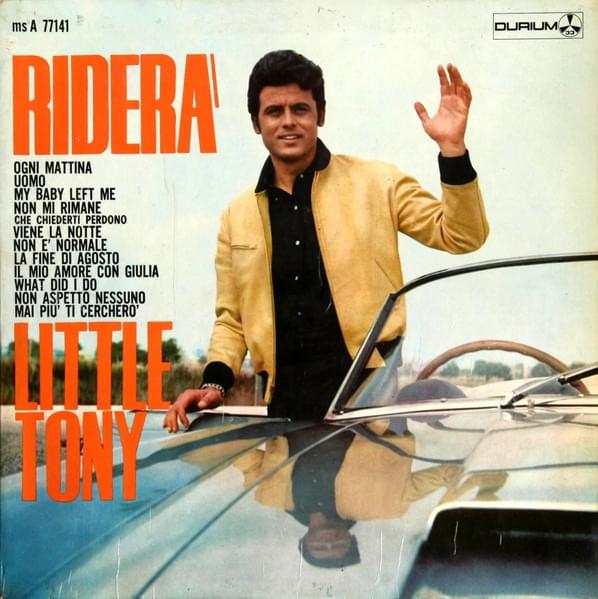
 View Artist