Song Meaning
The lyrics paint a picture of a weary soul pushing through hardship, finding solace in the promise of a future, heavenly existence. The narrator expresses a deep exhaustion, stating, "I am tired and so weary but I must toil on." This immediate sense of struggle grounds the song in a relatable human experience of enduring difficult circumstances. The anticipation of divine intervention, "Till the Lord comes and calls me away," sets up the core emotional arc: enduring present pain for future reward.
The central tension lies between the harsh reality of the present and the idealized vision of the afterlife. The narrator contrasts their current toil with a future "where the morning is bright" and "the night is as fair as the day." This future is depicted as a place of perpetual light and beauty, free from the imperfections of earthly existence. The repetition of "oh yes" throughout the verses adds a layer of earnest conviction, reinforcing the certainty of this promised peace.
The most striking aspect of the writing is its consistent use of idyllic, almost utopian imagery to describe the afterlife. Phrases like "flowers will bloom and the grass will be green" and "The sun ever shines, giving one endless beam" create a vivid, serene landscape. This deliberate construction of a perfect world serves as a powerful counterpoint to the narrator's present weariness, emphasizing the profound relief and rest that awaits. The repeated refrain, "There'll be peace in the valley for me," acts as a mantra, solidifying this hopeful outlook.
Ultimately, the effectiveness of these lyrics stems from their simple yet profound articulation of hope in the face of suffering. By juxtaposing the arduous present with an unwavering vision of a peaceful, eternal future, the song offers a powerful emotional anchor. The language is direct and unadorned, allowing the core message of enduring faith and the promise of ultimate rest to resonate deeply with the listener.
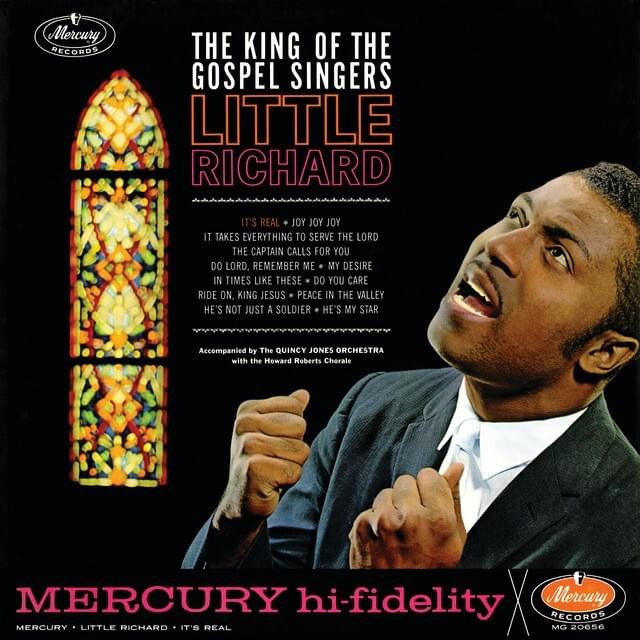
 View Artist