Song Meaning
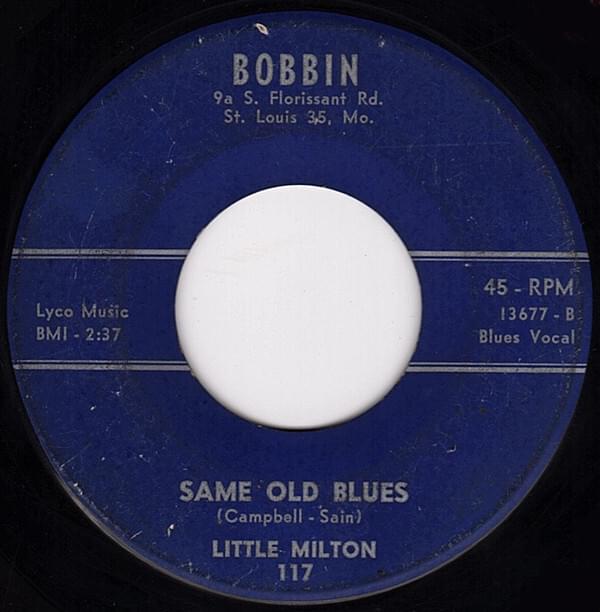
Little Milton's "Same Old Blues" isn't just a song; it's a primal scream echoing from the depths of perpetual loneliness. The track, steeped in classic blues tradition, strips away any pretense, leaving us face-to-face with the cyclical nature of despair. Milton doesn't offer complex metaphors or flowery language; instead, he lays bare the monotonous repetition of his suffering: "I have the same old blues, every night and every day." This isn't a fleeting sadness; it's a chronic condition, a relentless companion that shadows his existence. The simplicity of the lyrics amplifies the weight of the emotion. It's not about *what* caused the blues, but about the inescapable *presence* of them.
The song's brilliance lies in its understanding of the human need for connection as an antidote to existential angst. Milton isn't just lamenting his sadness; he's actively seeking a cure: "Yes, I need somebody [?] this blues away." This line reveals a vulnerability, a yearning for someone to break the cycle of his misery. The raw honesty is what resonates, tapping into the universal desire to be seen and loved. The saxophone and guitar solos serve as emotional punctuation, mirroring the ebb and flow of his internal turmoil, highlighting moments of intense longing and quiet desperation.
Ultimately, "Same Old Blues" exposes the paradoxical nature of the blues itself. While rooted in personal pain, it becomes a communal experience through its shared articulation of loneliness. Milton's hope, however faint, shines through in the final verse: "If I can find someone who needs me, I won't have the blues anymore." This isn't just about finding love; it's about finding purpose, about escaping the self-absorption of despair through mutual connection. The song's meaning resides not in the sadness itself, but in the enduring hope for a way out, a testament to the resilience of the human spirit even in the face of unrelenting darkness.
 View Artist