Song Meaning
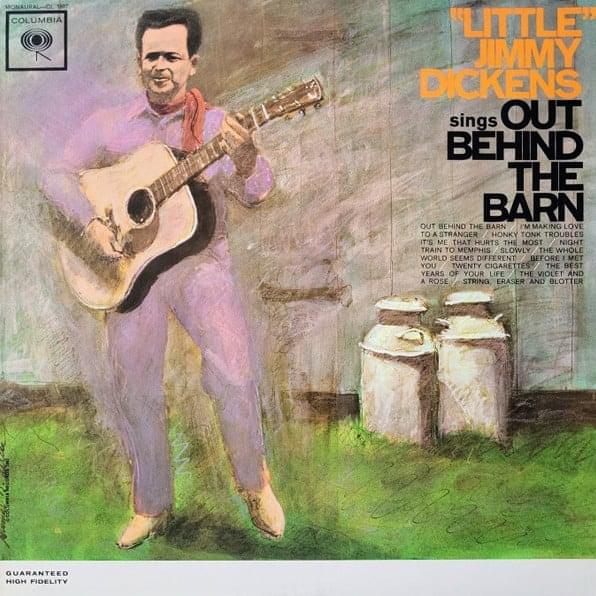
Little Jimmy Dickens' "The Violet And A Rose" isn't just a simple recitation of the "roses are red" rhyme; it’s a miniature masterclass in country heartbreak, told through the delicate language of floral symbolism. The violet's innocent, almost naive, love for the rose sets the stage for a classic tale of unrequited affection. The rose, initially blushing – perhaps flattered by the violet's attention – is ultimately seduced by something new and shiny: the dew. This fleeting kiss represents the fickle nature of love and attraction, leaving the violet abandoned and, well, blue. The seemingly simple children's rhyme is now imbued with adult disappointment.
The repeated refrain, "Roses are red, violets are blue," acts as both a plea and a lament. The singer, identifying with the violet, sends roses – a conventional symbol of love – even as he acknowledges the rose's betrayal. This act of sending roses despite his own pain speaks volumes about the complexities of love and loss. There's a hint of passive aggression, a touch of self-pity, and a whole lot of vulnerability packed into that gesture. He's simultaneously acknowledging the rose's appeal while highlighting his own heartbreak. The request to receive violets in return is a desperate attempt to find solace and recognition in his sadness.
The line about the "flower that's wild" having no home adds another layer of depth to the song's meaning. It suggests a sense of rootlessness and isolation, perhaps hinting at the singer's own feelings of being an outsider. Just like the violet, he's left alone, longing for a connection that has slipped away. The lyrics analysis reveals a narrative far more nuanced than its simple structure suggests. "The Violet And A Rose" uses the familiar imagery of flowers to explore themes of love, betrayal, and the bittersweet pain of unrequited affection, cementing its place as a subtly powerful country lament.
 View Artist