Song Meaning
"Pennies for Papa," sung with plaintive sincerity by "Little" Jimmy Dickens, isn't just a sentimental country tune; it's a stark portrait of abandonment and the crushing weight of poverty as seen through the eyes of children. The immediate image is arresting: two young siblings reduced to begging, their father blind and elderly, their mother absent. The repetition of "Pennies for papa, the little boy cried / Pennies for papa, by my side" emphasizes their desperation and the raw simplicity of their plea. It’s a primal scream for survival, stripped of any artifice. Dickens delivers it with just the right amount of heartbroken sincerity.
The song's power lies in its unflinching depiction of societal breakdown at the individual level. The children’s words are devoid of self-pity, yet heavy with the knowledge of their fallen status. The line "Once we had friends, the little girl said / Now we are asking a little for some bread" is particularly devastating. It speaks volumes about the fickle nature of community and the isolation that poverty breeds. The children aren't just seeking money; they're yearning for a return to a time of normalcy and connection, a world where they weren't forced to confront the harsh realities of survival.
Ultimately, "Pennies for Papa" transcends its simple melody and direct lyrics to become a commentary on societal responsibility. It forces the listener to confront uncomfortable questions about who we choose to help and who we ignore. The 'pennies' themselves become symbolic – a small, almost insignificant offering that represents the bare minimum of human compassion. Dickens doesn't offer any easy answers or resolutions. Instead, he leaves us with the haunting image of these children, their cries echoing long after the song ends, challenging us to consider our own role in their plight.
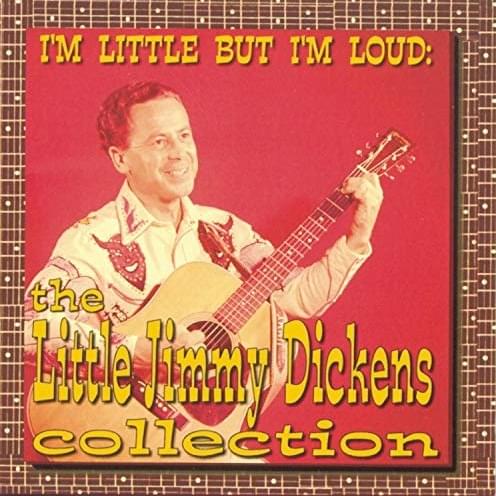
 View Artist