Song Meaning
In "Life Turned Her That Way," Little Jimmy Dickens offers a starkly empathetic portrait of a woman hardened by repeated trauma. The genius of the song lies not just in its compassion, but also in its refusal to romanticize suffering. Dickens doesn't absolve the woman of responsibility for her bitterness; instead, he asks the listener to consider the forces that shaped her. The opening lines serve as a plea for understanding, urging us to look beyond surface-level interactions and acknowledge the weight of her experiences. This is not a celebration of resilience, but a somber recognition of the toll that life can take. The song's narrative voice functions almost as a reluctant character witness, acknowledging the woman's flaws while simultaneously highlighting the external pressures that led to them.
The second verse deepens the song's complexity, introducing a layer of personal guilt and accountability. The narrator admits his own role in the woman's pain, confessing that he contributed to her suffering. This admission transforms the song from a general observation about hardship into a deeply personal and self-aware reflection on the cycle of pain and abuse. The line, "I hate to admit it, but that last footprint's mine," is particularly poignant, revealing the narrator's internal conflict and his complicity in the woman's plight. It moves beyond simple empathy to become a confession, a burden shared with the listener.
Ultimately, "Life Turned Her That Way" is a masterclass in country music storytelling precisely because it avoids easy answers. It is a raw and unflinching examination of the long-term consequences of hardship. The song's meaning resides in its refusal to offer simple judgment. Dickens forces us to confront the uncomfortable truth that individuals are often products of their environments, and that even the most hardened exterior may conceal a history of profound pain. The repeated refrain, "So don't blame her, life turned her that way," is not an excuse, but an invitation to a deeper, more nuanced understanding of human behavior and the insidious ways in which trauma shapes our lives.
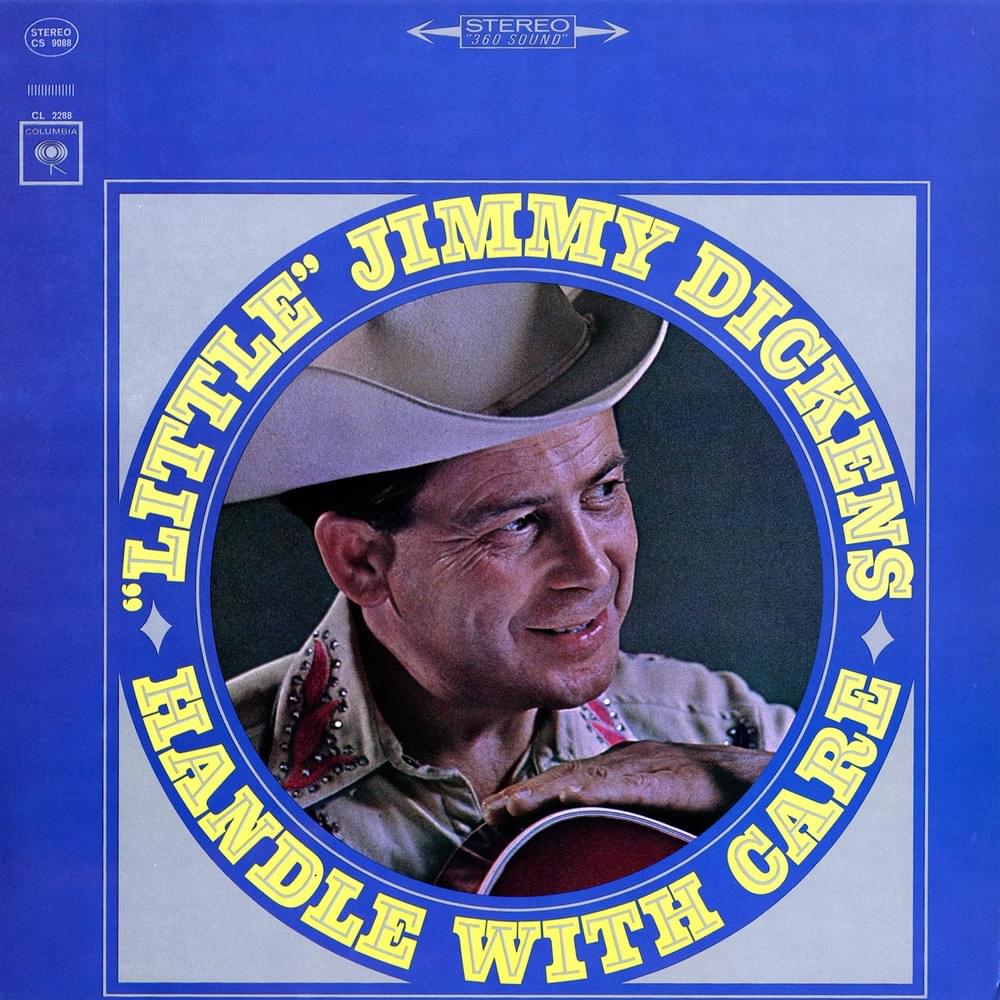
 View Artist