Song Meaning
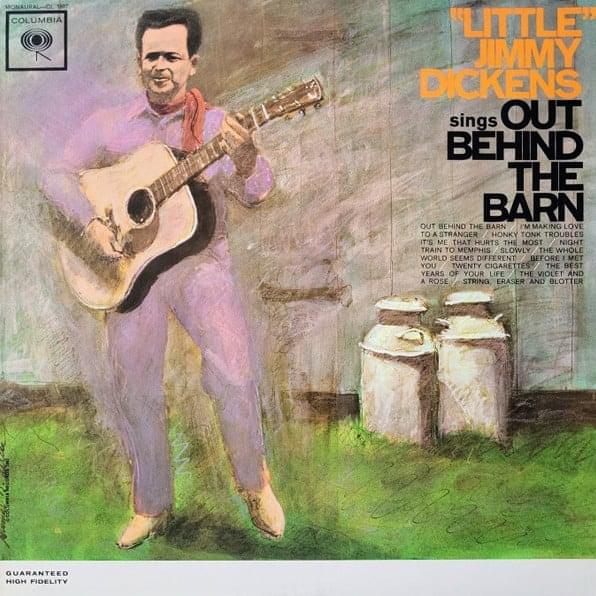
In "It's Me That Hurts The Most," Little Jimmy Dickens excavates the raw ache of abandonment with a stark, almost forensic precision. It's a post-mortem on a love affair, where the crime scene isn't a physical space but the desolate landscape of the singer's heart. The lyrics methodically catalog the remnants of a departed lover – a cup, a telephone, curtains waving a final goodbye. These objects serve as poignant reminders, each holding a fragment of her presence, a ghost of her touch. But the true weight of the loss isn't found in these inanimate witnesses; it's in the brutal realization that he, the singer, is the most painful relic of what's been left behind.
The genius of the song lies in its inversion of sentimentality. While the typical country lament wallows in clichés of lost love, Dickens elevates the genre by focusing on the self as the ultimate casualty. He’s not just missing her; he's been transformed into a living embodiment of her absence. The repetition of "it's me that hurts the most" isn't mere repetition; it's a deepening spiral into self-awareness, a recognition of the profound damage inflicted. He exists as a constant, throbbing reminder of what was, a wound that refuses to heal.
Dickens uses simple imagery to amplify the emotional resonance. The mirror reflecting her eyes, the flowers withering – these are classic symbols of love and loss, but they gain new power in the context of the singer's self-inflicted pain. He is not just mourning the relationship; he is haunted by the echo of her embrace, forever marked as the last one held close. It's a masterful portrayal of how love, once a source of comfort, can become the sharpest instrument of torture when it fades, leaving behind only the agonizing awareness of one's own brokenness.
 View Artist