Song Meaning
The lyrics paint a picture of someone deeply uncomfortable with their own perceived weakness, finding even the beauty of the sky a source of self-recrimination. Looking up at the sky, whether it's the sunset or the stars, brings a feeling of inadequacy, making the narrator feel worse about themselves. This aversion to looking up seems tied to an inability to reconcile their outward presentation with their inner struggles. The repeated phrase "空を見上げるとろくなことがないのよ" (Nothing good happens when I look up at the sky) sets a tone of profound self-doubt.
The central tension arises from the narrator's lifelong habit of blaming themselves rather than others, and presenting a facade of strength ("かっこつけてばかり生きてきた" - I've lived my life putting on a brave face). They confess a deep-seated fragility and pain that they struggle to accept. The core plea is a desperate question: "生きてていいですか" (Is it okay to be alive?), specifically asking for permission to look up at the night sky, implying a desire for hope or solace that feels forbidden by their own harsh self-judgment.
The most striking craft element is the persistent questioning of whether it's permissible to simply exist and to seek beauty. The repeated "夜空 見上げていいですか" (Is it okay to look up at the night sky?) and "私 見上げていいですか" (Is it okay for me to look up?) are not just rhetorical; they feel like genuine, agonizing pleas for validation. This vulnerability is amplified by the contrast between the overwhelming beauty of nature (sunset, stars, wind, shooting stars) and the narrator's internal turmoil, where this beauty only intensifies their self-loathing.
Ultimately, these lyrics resonate because they articulate a universal struggle with self-acceptance and the courage it takes to face one's own perceived flaws. The raw honesty in questioning one's right to exist, especially when feeling weak and broken, is incredibly powerful. The repeated, almost childlike questions directed at the vastness of the sky suggest a deep yearning for external affirmation, a quiet hope that perhaps, just perhaps, even someone so fragile might be allowed to simply be.
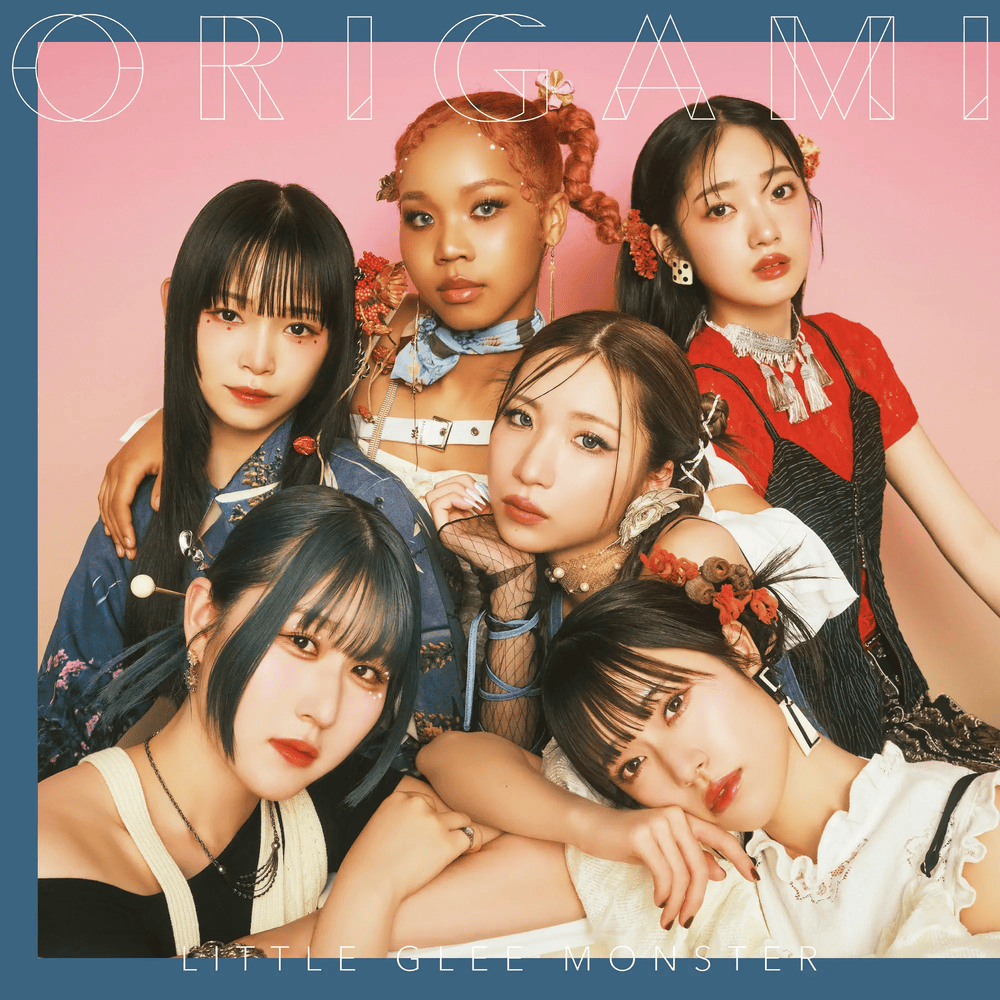
 View Artist