Song Meaning
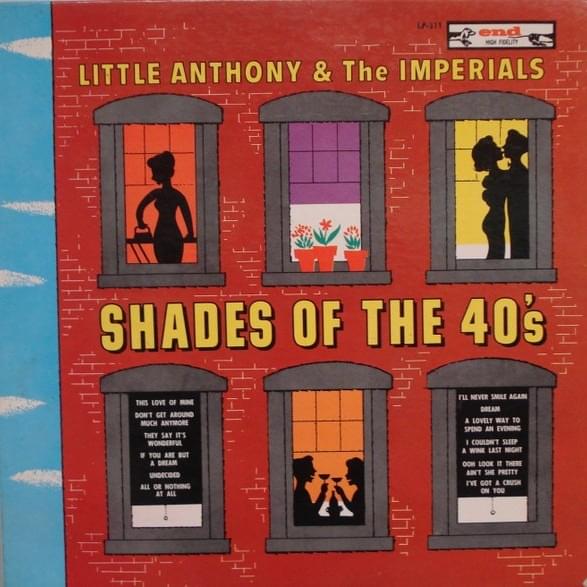
This song captures the fragile hope of someone deeply in love, clinging to the possibility that their beloved might be an illusion. The narrator expresses a profound fear of reality, wishing to remain in a dream state if it means keeping this person close. The central tension lies in the agonizing uncertainty of the relationship's authenticity, a fear that the object of affection could disappear as easily as they appeared.
The lyrics reveal a desperate desire to avoid the pain of loss, even at the cost of living in a fantasy. The narrator states, "It's more than I can bear / To find that I'm forsaken," highlighting an intense dread of rejection or abandonment. This fear is so potent that the idea of waking from a dream, only to discover the person isn't real or is gone, is presented as an unbearable outcome. The repeated plea, "I hope I never waken," underscores this desperate wish to preserve the present moment, however illusory.
The most striking aspect of the writing is the narrator's paradoxical embrace of a dream state. They acknowledge the potential unreality of the person they love, admitting, "If you are but a dream." Yet, instead of seeking confirmation or fearing the deception, they find contentment in this ambiguity: "Then I'm content to be / Content with loving you." This acceptance of a potential fantasy, coupled with the fear of waking, creates a poignant portrait of vulnerability and a deep-seated need for connection, even if it's a fragile one.
Ultimately, the song resonates because it articulates a universal fear of losing something precious, particularly when that loss feels imminent and potentially devastating. The simple, direct language and the insistent repetition of the core idea – the dream state as a refuge – amplify the emotional weight. The narrator's quiet desperation, their fear of a simple kiss, "That you may / Vanish in the air," makes their precarious emotional position palpable and deeply affecting.
 View Artist