Song Meaning
The lyrics paint a stark, almost elemental picture of internal turmoil and external chaos. We open with contrasting images of night ('Notte') and day ('Giorno'), both punctuated by 'Lampi' – flashes of light that seem to disrupt and penetrate. These flashes are not just visual; they're felt, 'Scivolando dai capelli' (slipping from the hair) and 'Respirare tra le dita' (breathing between the fingers), suggesting an invasive, inescapable presence.
The core of the song seems to revolve around a consuming, destructive force, described as 'il fuoco che taglia' (the fire that cuts) and 'Fantocci di sabbia' (sand puppets). This imagery suggests fragility and the futility of creation against this destructive element. The repetition of 'Fuoco' (fire) and 'di cera' (of wax) further emphasizes this ephemeral, easily consumed nature. The narrator feels this intensely, 'Sento dentro, sento fuori' (I feel inside, I feel outside), while the surrounding 'gente' (people) are dismissed as 'aria' (air), highlighting a profound sense of isolation amidst a chaotic world.
The most striking element is the repeated refrain, 'Ahi! Ahiahiahi! Ahi, non puede tene el ritmo!' (Oh! Ouch! Oh, you can't hold the rhythm!). This cry of distress, blending Spanish and Italian, suggests a loss of control, a struggle to maintain composure or coherence against an overwhelming force. It's a visceral reaction to the perceived '100.000 altre vendette' (100,000 other vendettas) that the narrator anticipates witnessing, implying a cycle of retribution and suffering.
This intense emotional landscape is amplified by the narrator's vision of a detached deity, 'Ho conosciuto Dio / Che giocava con il cielo' (I met God / Who was playing with the sky), seemingly oblivious to the earthly elements of 'aria, il fuoco ed il giorno' (air, fire, and day). This divine indifference, coupled with the narrator's certainty ('Vedro'. lo so,' 'Tu sai, io so') that this cosmic detachment is not due to intoxication ('Non era ubriaco'), underscores the feeling of abandonment and the bleak outlook on the recurring 'vendette'.
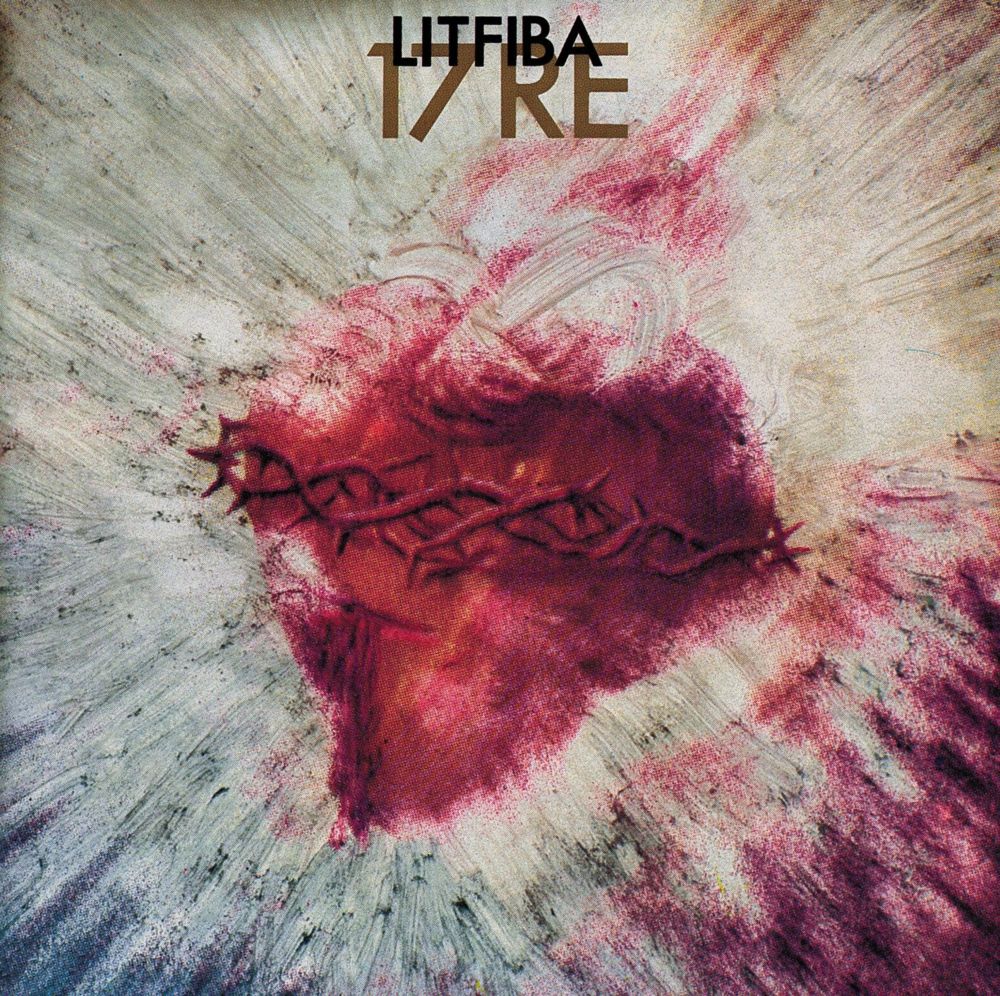
 View Artist