Song Meaning
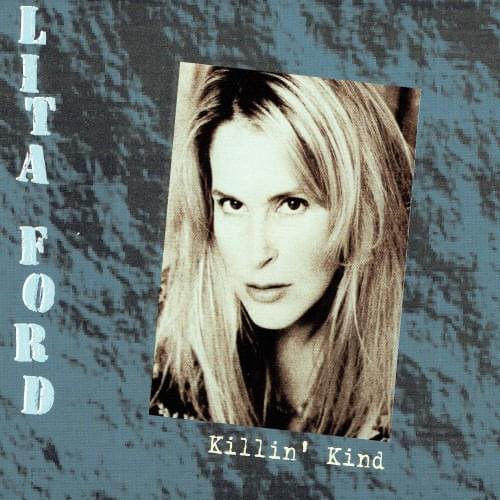
Lita Ford's "Killing Kind" isn't just a hard-rock anthem; it's a primal scream from the depths of a toxic relationship. The opening lines paint a picture of disorienting emotional chaos: a world where the lights have gone out, and the night has gone insane. This isn't simply heartbreak; it's a complete unraveling of reality caused by a love that's both intoxicating and destructive. The narrator acknowledges the lies, yet confesses an undeniable hunger, a craving for a feeling despite knowing its inherent wrongness. This internal conflict—the push and pull between desire and self-preservation—forms the crux of the song's agonizing core. The lyrics depict a tormentor-victim dynamic, where one partner holds power over the other, exploiting weaknesses and twisting the knife. The singer recognizes the destructive nature of the relationship, lamenting her naivete: "If I only could remember why I let you in so deep." This line suggests a gradual erosion of boundaries, a slow descent into a situation she now desperately regrets.
The chorus, with its stark declaration of "Your love is the killin' kind," acts as the song's brutal thesis statement. It's a love that consumes, that swallows hearts and lives whole. The almost paradoxical lines "So wrong, I’m over my head / So right, I’m out of my mind" perfectly encapsulate the addictive nature of toxic relationships. There's a recognition that this love transcends logical understanding, pushing the narrator to the brink of sanity. It's a space where pain and pleasure become indistinguishable, where the very act of being consumed feels, in some twisted way, exhilarating.
Ultimately, "Killing Kind" is a song of survival. The bridge marks a turning point, a moment of defiant self-awareness. The singer acknowledges her past willingness to sacrifice everything for this love, but then declares, "Baby, when I said I'd die for you, I lied." This isn't just a change of heart; it's a reclaiming of agency, a refusal to be completely consumed. The repetition of the chorus after this declaration takes on a new meaning: it's no longer just a lament but a warning, a recognition of the danger and a commitment to escape its clutches. The song's power lies in its unflinching portrayal of vulnerability and its ultimate assertion of self-preservation in the face of emotional annihilation. This Lita Ford song meaning transcends a simple breakup song; it's a battle cry for anyone who's ever been caught in the crosshairs of a love that threatens to destroy them.
 View Artist