Song Meaning
{"song_id": 10489726, "meaning": "Lita Ford's \"Bad Neighborhood\" isn't just a snarling rocker; it's a psychological excavation of a toxic relationship, rendered with brutal honesty. The song's power stems from its unflinching portrayal of manipulation and the internal battle to escape a destructive cycle. The lyrics paint a vivid picture of a partner who believes they can decipher the narrator's thoughts (\"I know you thought you could read my mind\"), yet they only perceive a carefully constructed facade. This hints at a defense mechanism, a deliberate obscuring of the true self to survive the relationship's intensity. The \"whiskey breath and bloodstained eyes\" imagery further suggests a volatile and potentially abusive dynamic. The core message revolves around urging someone – perhaps the singer herself or a projection onto the listener – to mentally evacuate a dangerous space: \"Better get outta your head / 'Cause it's a bad neighborhood.\"
The chorus acts as both a warning and a mantra for self-preservation. The repeated plea to \"get out\" emphasizes the urgency of escaping a self-destructive thought pattern or situation. The phrase \"bad neighborhood\" serves as a potent metaphor for a mind plagued by negativity, trauma, or unhealthy attachments. The lyrics also delve into the twisted dynamics of pain and pleasure within the relationship. The lines \"You made my pain your new religion / Like an acid bath, it's masochism\" suggest a disturbing codependency where suffering becomes a source of perverse satisfaction. This points to a relationship built on power imbalances and emotional exploitation.
Ultimately, \"Bad Neighborhood\" is a raw and unflinching exploration of the psychological toll of a destructive relationship. Ford doesn't offer easy answers or sentimental resolutions. Instead, she delivers a stark and powerful message about the importance of recognizing toxic patterns and prioritizing one's own mental and emotional well-being. The song's meaning resonates as a cautionary tale, urging listeners to confront their own \"bad neighborhoods\" and find the strength to escape."}
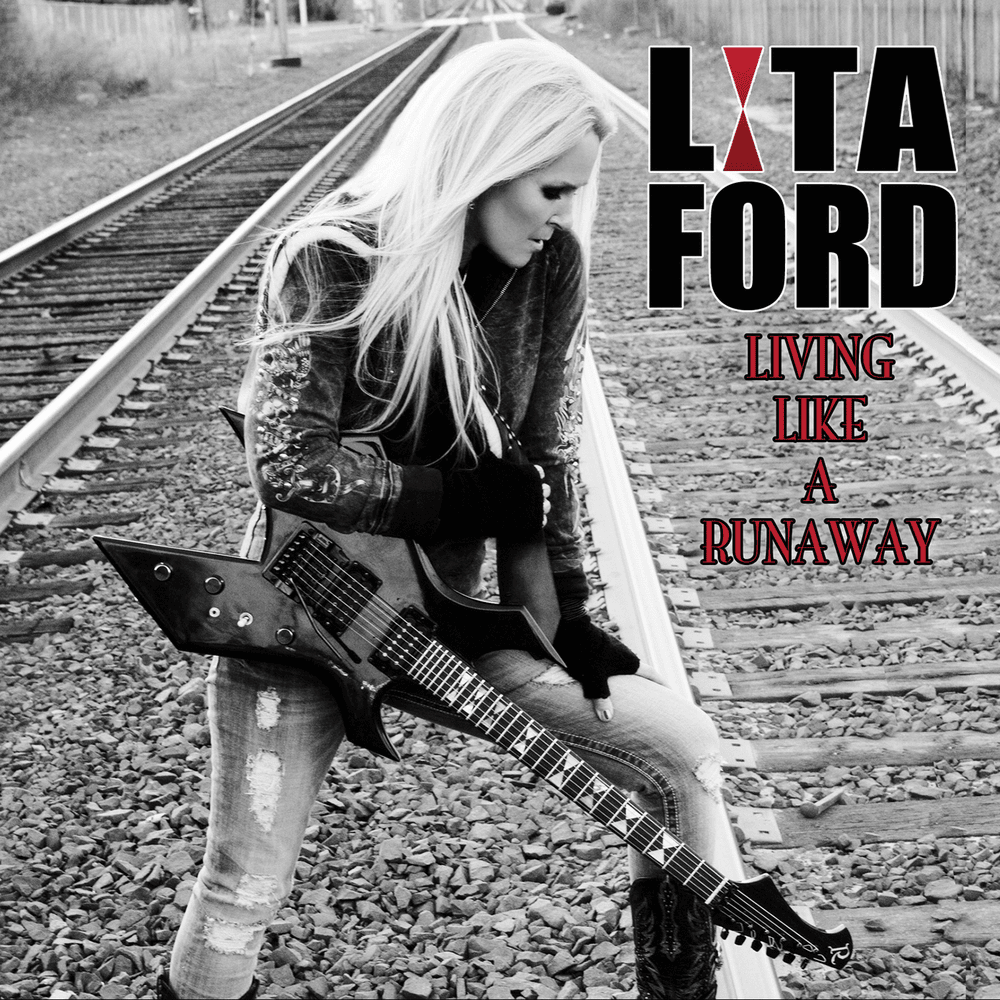
 View Artist