Song Meaning
The provided text is not lyrics but a table of contents for an analysis of symbolism in F. Scott Fitzgerald's novel, 'The Great Gatsby.' It lists key symbolic elements such as 'The Green Light,' 'The Eyes of Doctor T. J. Eckleburg,' and 'The Valley of Ashes.' These are presented as distinct topics for deeper exploration within the novel's thematic landscape. The structure suggests a breakdown of the literary devices Fitzgerald employed to convey deeper meaning.
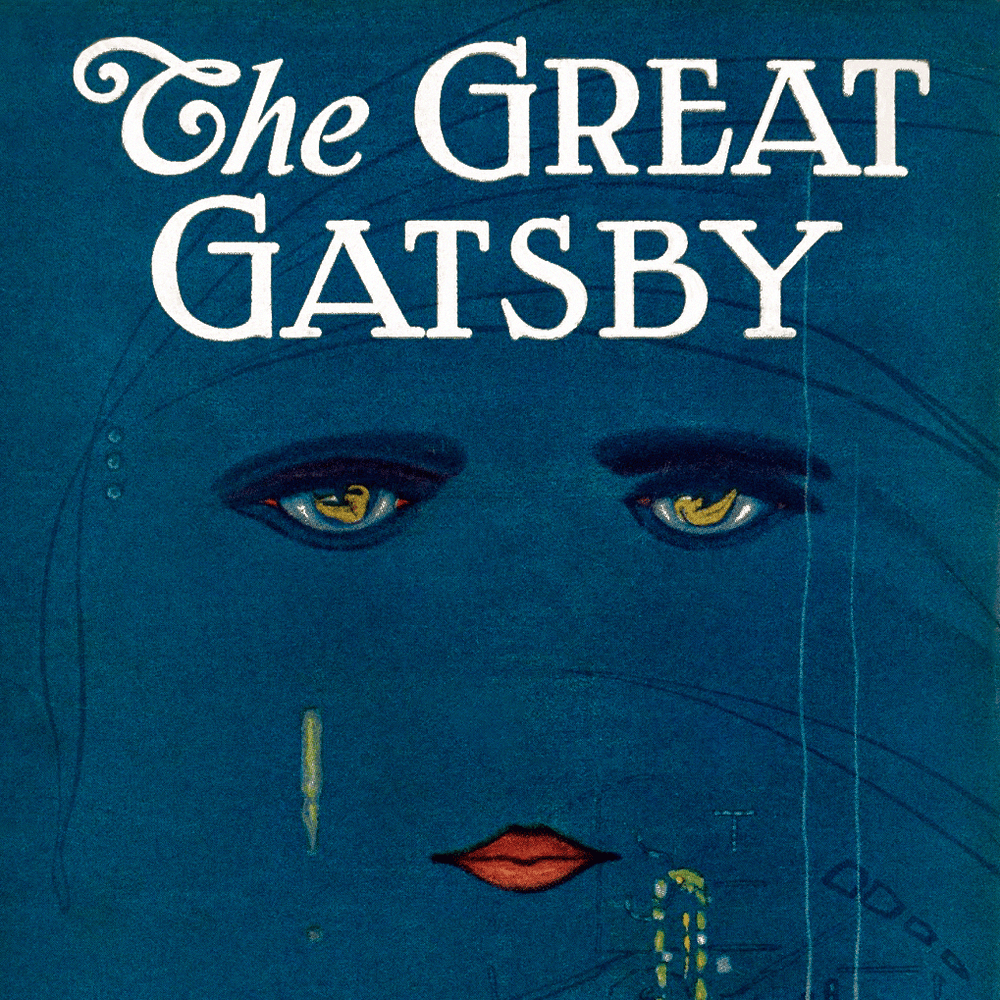
Each listed item represents a significant motif or object that carries weight beyond its literal presence in the narrative. For instance, 'The Green Light' is known to represent Gatsby's unattainable dreams and yearning for the past. Similarly, 'The Eyes of Doctor T. J. Eckleburg' are often interpreted as a representation of a godless, judgmental society or the loss of spiritual values.
The collection of these symbols—from 'East and West' to 'Gatsby's Gold and Silver Suit'—indicates a deliberate layering of meaning within the novel. The contrast between 'East Egg' and 'West Egg,' for example, highlights the divide between old money and new wealth, a central conflict. Gatsby's personal artifacts, like his 'Boyhood Schedule,' are also presented as revealing clues to his constructed identity and relentless ambition.
Ultimately, this list serves as a roadmap to understanding how Fitzgerald uses concrete imagery to explore abstract themes like the American Dream, social class, and moral decay. The effectiveness lies in how these symbols are woven into the fabric of the story, providing a rich tapestry for interpretation that resonates long after the final page.